
Vinyl Siding in Bellingham, WA
Vinyl siding is one of the most widely used residential cladding materials in the Pacific Northwest, available in a broad range of colors, profiles, and quality levels to fit many different homes and budgets. If you're replacing aging siding, finishing an addition, or updating the exterior of an existing home, vinyl is worth understanding before you decide.
This page covers the applications, installation considerations, quality differences, and climate factors that matter most for vinyl siding in Bellingham and Whatcom County so you can arrive at your estimate request better prepared.
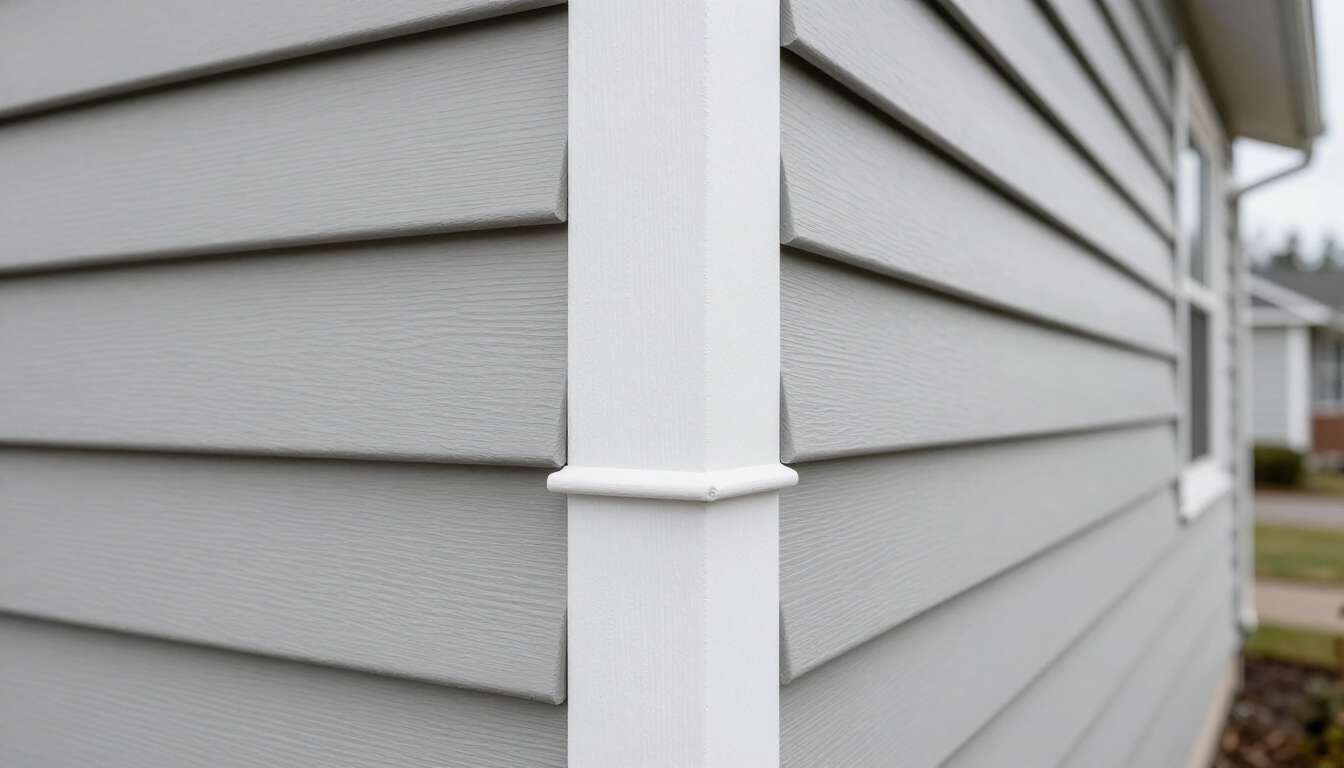
Where Vinyl Siding Gets Used
Vinyl siding works across a wide range of residential projects in Bellingham and Whatcom County. Whether you're dealing with failing original siding on a 1970s ranch, finishing a new addition, or refreshing the exterior of a two-story colonial, vinyl is available in enough profiles and colors to be worth considering.
- Complete siding replacement on existing homes
- New siding installation on additions or outbuildings
- Whole-exterior renovations and re-sidings
- Starter homes and mid-range residential builds
- Investment properties and rental-home updates
- Homes transitioning away from painted wood or aged vinyl
Vinyl is particularly common on homes built between the 1980s and 2000s, where original vinyl may be fading, cracking, or losing its finish. Replacing aging vinyl with a higher-quality product often makes more sense than attempting to match decades-old colors and profiles that are no longer widely manufactured.
Colors, Profiles, and Quality Levels
Vinyl siding isn't a single product it's a broad category. The choices you make about color, profile, and product quality will affect both the appearance and the long-term performance of your exterior. Here's what to understand before comparing options.
Profiles and Styles
Horizontal lap siding is the most common vinyl profile, available in exposures ranging from 3½ inches to 8 inches or wider. Vertical panels, Dutch lap, beaded profiles, and shake or shingle styles give homeowners and designers more visual options for accents, gables, and mixed-material facades. The profile you choose affects the overall scale and character of the home.
Colors and Fade Resistance
Vinyl siding is manufactured in a wide range of colors from neutral whites and grays to deeper tones like navy, sage, and charcoal. Color is integral to the material rather than painted on, but fade resistance varies considerably by manufacturer and product line. Darker colors and lower-quality vinyl are more susceptible to noticeable fading over time in sun-exposed areas.
Product Quality Tiers
Vinyl siding is sold across several quality tiers, typically measured by panel thickness (in thousandths of an inch, or "mils") and insulation backing. Thicker panels hold their shape better, resist impact more effectively, and flex less dramatically with temperature changes. The difference between a builder-grade product and a premium product is meaningful particularly in a climate that cycles between wet winters and warm summers.
What Vinyl Siding Maintenance Actually Looks Like
One of the most frequently cited advantages of vinyl siding is that it doesn't need to be painted. That's accurate; the color is manufactured into the panel, and routine repainting isn't part of the maintenance schedule. But vinyl siding is not maintenance-free, and it's worth understanding what upkeep still applies.
Typical maintenance considerations for vinyl siding include:
- Periodic cleaning to remove algae, mildew, and road or pollen buildup
- Inspecting for cracked, loose, or warped panels after severe weather
- Checking caulking and trim joints around windows and doors
- Clearing debris from behind panels and at trim intersections
- Watching for signs of moisture intrusion at penetrations or failed flashing
- Replacing damaged sections before water reaches the sheathing
Vinyl won't rot, but the wall assembly behind it can still experience moisture problems if installation details or flashing are compromised. Regular inspection, especially around windows, doors, and exterior penetrations, is the most practical maintenance habit for any siding material.
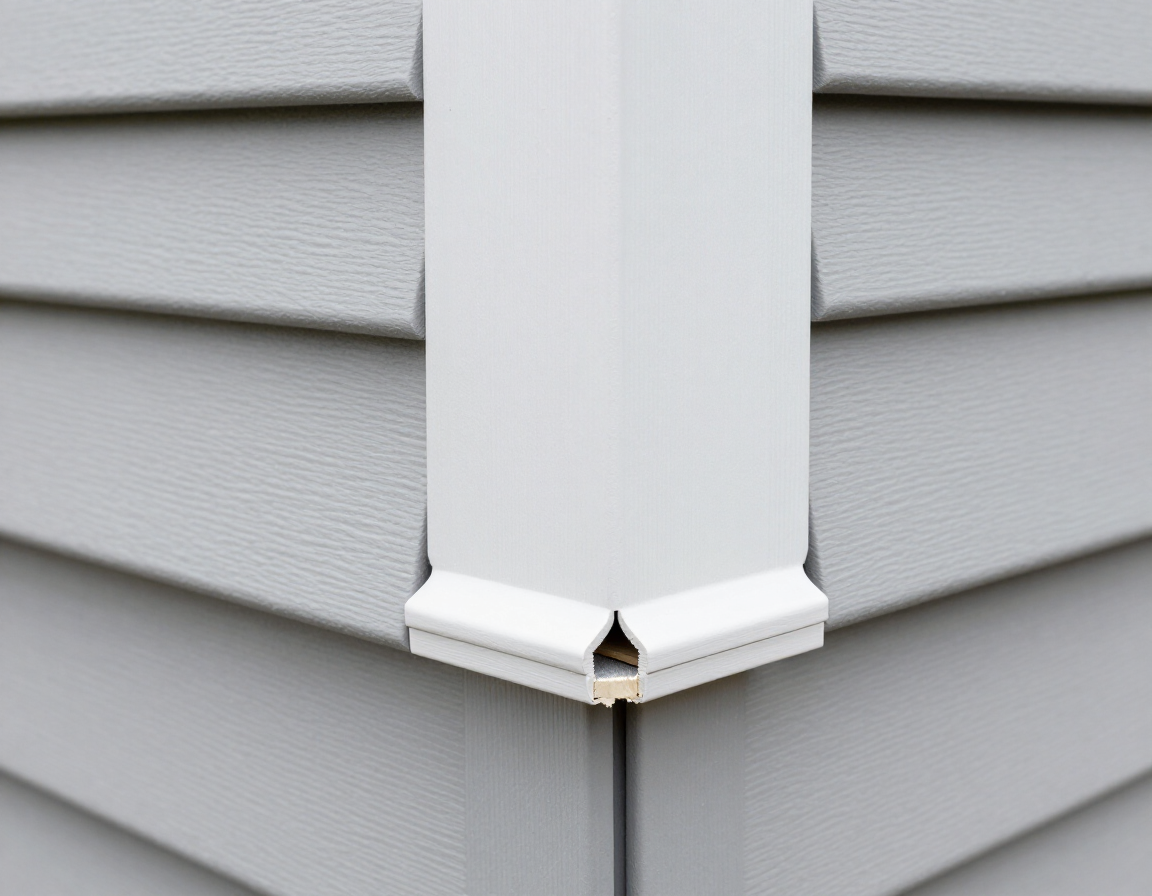
How Vinyl Moves and Why Installation Details Matter
Vinyl expands and contracts with temperature changes more than most other siding materials. In a climate like Bellingham's, where temperatures swing between cold, wet winters and warm summers, that movement is a real installation consideration, not just a footnote.
Panels must be installed with appropriate clearance at trim channels, overlaps, and termination points so the material can move without buckling, warping, or pulling loose from fasteners. Nailing through the center of the nail slot, rather than at the edges, is a basic installation practice that allows the panel to shift without damage.
Key installation details that affect long-term performance include:
- Leaving required clearance at trim channels and corners
- Avoiding face-nailing that restricts panel movement
- Using compatible trim and accessory profiles from the same product line
- Maintaining appropriate clearances at grade, rooflines, and masonry
- Following manufacturer specifications for fastener type, spacing, and depth
- Properly flashing around all windows, doors, and penetrations
These are installation-level details that affect how the siding performs over its full service life. A product installed without respecting its expansion behavior can show buckling, panel separation, and moisture entry well before the material itself would otherwise fail.
Impact Resistance and Understanding Quality Differences
Vinyl's resistance to dents, cracks, and impact damage varies significantly by product grade. Thicker panels, typically 0.044 inches (44 mils) or above, hold up better to hail, windblown debris, and accidental contact than thinner builder-grade products. If impact resistance matters to you, it's worth asking specifically about panel thickness when comparing options.
Lower-cost vinyl products aren't inherently bad choices they may be entirely appropriate for certain projects and budgets. But understanding what you're comparing is useful. A 0.040-inch panel and a 0.048-inch panel can look nearly identical in a product sheet while behaving quite differently after ten or fifteen years of exposure.
What to compare when evaluating vinyl siding quality:
- Panel thickness (measured in mils)
- Warranty terms and exclusions
- Fade and UV resistance ratings
- Insulation backing availability
- Impact resistance ratings where listed
- Profile and color options within the product line
- Availability of matching trim and accessories
No vinyl product is impact-proof or fade-proof, but differences in product quality are real and worth understanding before your project scope and budget are finalized.
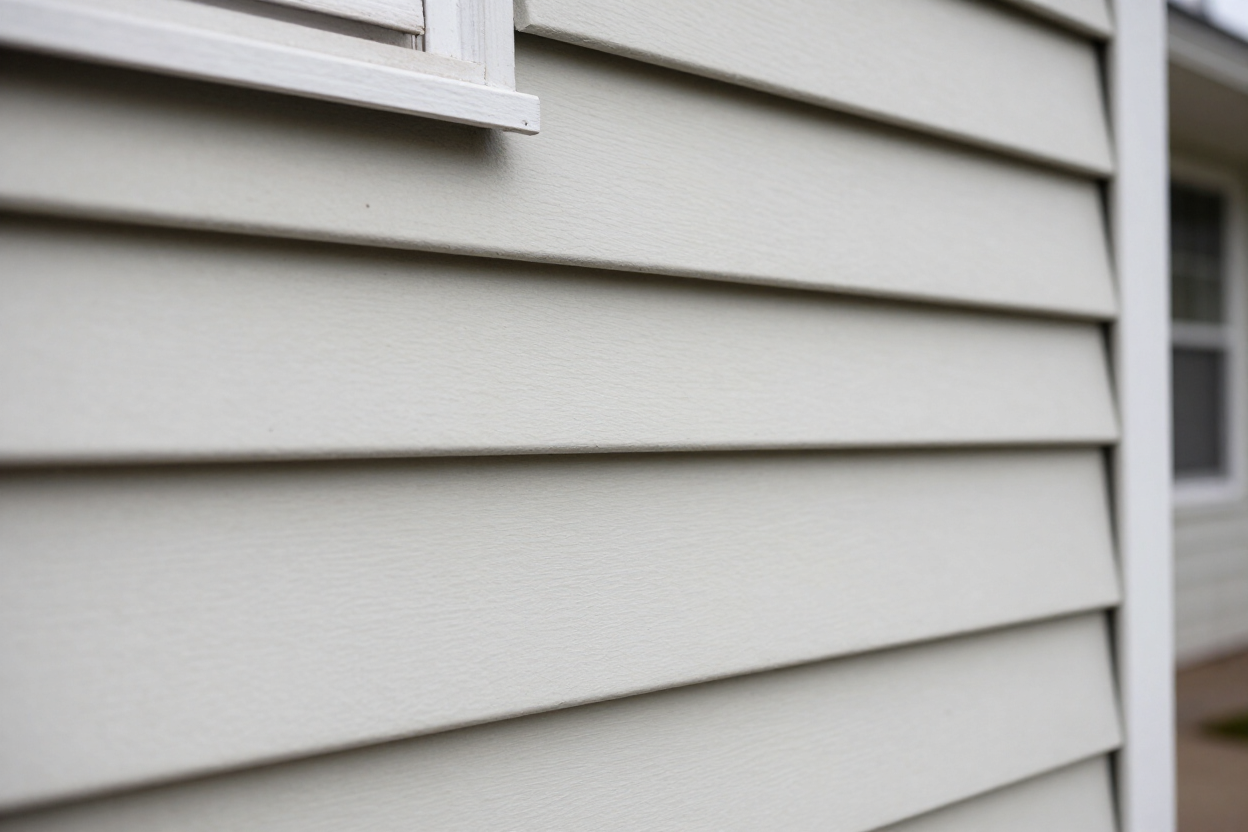
Insulated Vinyl Siding: What It Does and What It Doesn't
Insulated vinyl siding adds a layer of rigid foam backing directly to the rear of the panel, which reduces the hollow sound common in standard vinyl and provides a small amount of additional thermal resistance in the wall assembly. The foam also helps the panel keep its shape more uniformly against the wall and can reduce the visual waviness that some standard panels show over time.
Practical points to understand about insulated vinyl:
- The insulation layer is relatively thin, typically R-2 to R-3, and adds only modest thermal performance when added to an already-insulated wall
- It does not replace proper wall cavity insulation or air sealing
- Panels tend to be heavier and may require slightly different handling during installation
- The visual result is typically a flatter, more uniform wall surface compared to standard vinyl
- Cost is higher than comparable standard vinyl whether the difference is worthwhile depends on the project and the existing wall assembly
Insulated vinyl can contribute to the thermal performance of the wall assembly, but the benefit depends heavily on the existing insulation, air sealing, and overall wall conditions. We don't promise specific energy savings, and you should be cautious of anyone who does.
Vinyl Siding in Bellingham's Wet Climate
Bellingham and Whatcom County receive consistent rainfall across much of the year, and the moisture management beneath siding matters as much as the cladding material itself. Vinyl siding is not adversely affected by water the way wood can it won't rot or swell, but water can still find its way behind vinyl if installation clearances, flashing, or sealing details are compromised.
Proper drainage behind the cladding is part of a correctly installed exterior wall system regardless of the siding material. With vinyl specifically, maintaining clearance at the bottom of the wall (away from grade and horizontal surfaces), proper flashing at window and door heads, and correctly installed trim and corner accessories all help direct water out rather than letting it accumulate.
Climate-relevant installation considerations for vinyl siding in the Northwest:
- Adequate clearance from grade and flat surfaces to limit moisture wicking
- Head flashing above windows and doors integrated with the weather-resistive barrier
- Correctly installed water-resistive barrier behind the panels
- Sealed penetrations at utility entries, lighting, and other exterior fixtures
- Proper caulking at trim intersections using products compatible with vinyl
- Slope and drainage details at horizontal trim and band boards
None of these details are unique to vinyl they're part of sound exterior wall practice for any cladding material. But in a consistently wet climate, getting them right matters from the start.
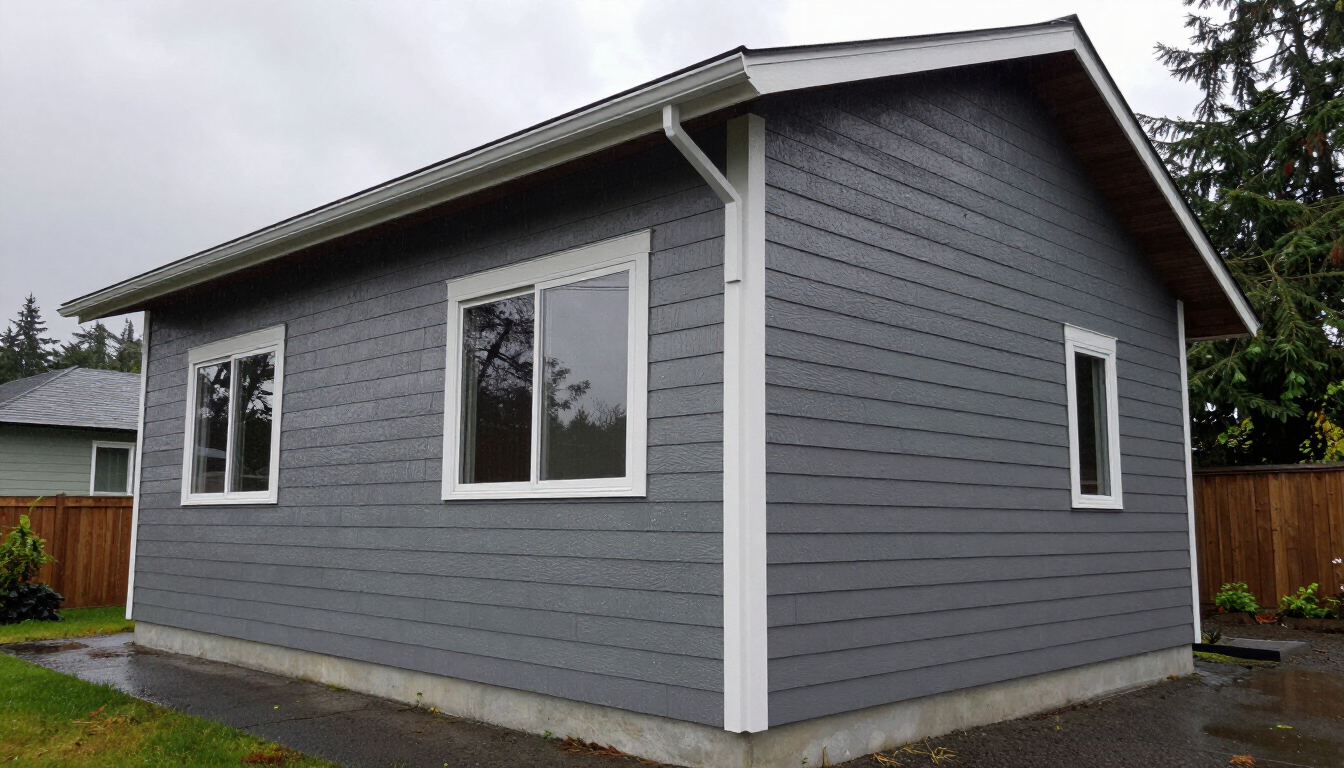
Vinyl vs. Fiber Cement vs. Cedar: A Practical Comparison
The right siding material depends on your home, your budget, your maintenance preferences, and your appearance goals. Here's a straightforward comparison of the three most common residential siding options to help you evaluate which direction fits your project.
Vinyl Siding
- Maintenance: No painting required; periodic cleaning; check trim and caulking
- Appearance: Wide color and profile range; consistent manufactured finish
- Cost: Generally lower material cost; varies by product grade
- Durability: Not affected by moisture; impact resistance varies by thickness
- Best for: Homeowners prioritizing lower ongoing maintenance and flexibility
Fiber Cement Siding
- Maintenance: Requires periodic repainting; less frequent than wood
- Appearance: Can replicate wood grain textures and profiles convincingly
- Cost: Mid-to-upper range; typically higher installed cost than vinyl
- Durability: Dense and dimensionally stable; handles impact and moisture well
- Best for: Homeowners who want wood appearance with reduced rot risk
Cedar and Wood Siding
- Maintenance: Requires regular staining or painting; most maintenance-intensive
- Appearance: Natural grain, warmth, and architectural character unmatched
- Cost: Variable; higher material and ongoing maintenance costs
- Durability: Susceptible to rot and insect damage if finish is not maintained
- Best for: Homeowners who prioritize natural appearance and accept the upkeep
If you're unsure which material fits your project, include your current siding and material interests when you submit your estimate request that context helps.
What Affects the Cost of a Vinyl Siding Project
Vinyl siding is often described as one of the more budget-accessible cladding options and for many projects, that holds. But the final cost of any siding project depends on more than the material itself. Product grade, installation scope, existing wall conditions, and project complexity all influence the total estimate.
Factors that commonly affect vinyl siding project costs:
- Product selection: thicker, higher-quality, or insulated panels cost more per square foot than builder-grade options
- Home size and total square footage of siding to be installed or replaced
- Profile and accessory choices: trim, corners, J-channel, and specialty profiles add to material costs
- Removal of existing siding and disposal if applicable
- Condition of the sheathing and weather-resistive barrier underneath
- Number and complexity of window and door openings requiring custom trim
- Roof-to-wall intersections, dormers, and architectural details
- Accessibility: multi-story homes, steep sites, or limited access add labor time
- Repairs to underlying sheathing or framing discovered after removal
An accurate estimate requires a professional review of the property. If you're requesting an estimate, including your home's approximate square footage, story count, and current siding condition helps set useful expectations from the start.
How to Request an Estimate for Vinyl Siding
If you're considering vinyl siding for your home, here's what the estimate request process looks like through North Sound Siding Co.
Step 1: Tell Us About Your Project
Submit the estimate request form with information about your home, your current siding material, the condition you're seeing, and which material directions interest you. More detail helps us understand what your project may involve.
Step 2: Review Your Project Details
Your submission is reviewed for project type, location, scope, timeline, and material interests. This helps ensure the request is clear before any connection is made.
Step 3: Connect With a Siding Professional
Where a qualified independent professional is available for your area and project type, you may be connected directly. Availability and project acceptance are not guaranteed.
Step 4: Discuss Your Estimate
You'll be able to speak directly with the provider about scope, product options, scheduling, and pricing. Questions about specific vinyl products, profiles, or installation details can be addressed at that stage.
Submitting a request does not guarantee a provider match, a formal estimate, or acceptance of the project.
Vinyl Siding Estimate Requests Across Whatcom County
Project requests for vinyl siding may be submitted from Bellingham and the surrounding communities of Ferndale, Lynden, Blaine, Birch Bay, Sudden Valley, Everson, and other nearby Whatcom County locations. Bellingham is the primary service focus, and provider availability may vary depending on the project location and scope.
If you're located outside Bellingham, include your city or ZIP code in the estimate request form that information is used when reviewing provider availability for your area.
Frequently Asked Questions About Vinyl Siding
Here are answers to common questions about vinyl siding for Bellingham and Whatcom County homes.
Is vinyl siding a good choice for Bellingham's wet climate?
Vinyl itself is not damaged by moisture the way wood can be — it won't rot, swell, or require repainting because of rain exposure. However, the performance of any siding in a wet climate depends heavily on the installation quality, flashing, drainage details, and the water-resistive barrier behind the panels. Vinyl installed correctly in a properly detailed wall assembly performs well in Bellingham's consistently wet conditions.Does vinyl siding require painting?
No. The color in vinyl siding is manufactured into the panel rather than applied as a surface coating. Routine repainting is not part of the maintenance schedule. Over many years, some fading can occur — particularly on darker colors or lower-quality products — but this is gradual and typically cosmetic rather than a structural concern.What is the difference between standard and insulated vinyl siding?
Insulated vinyl siding has a layer of rigid foam backing attached to the rear of the panel. It adds a small amount of thermal resistance (typically R-2 to R-3), reduces the hollow sound associated with standard vinyl, and helps the panel lay flatter against the wall. It costs more than standard vinyl. The thermal benefit is real but modest — it should not be evaluated primarily as an energy-savings upgrade without understanding the existing wall assembly.How does vinyl siding handle impact damage?
Impact resistance in vinyl siding varies by product grade and panel thickness. Thicker panels (measured in mils) hold up better to hail, windblown debris, and incidental contact. Damage to individual panels — cracks, dents, or chips — can often be repaired by replacing the affected sections, provided matching material is available. Lower-grade vinyl is more brittle, particularly in cold temperatures.What does 'panel thickness' mean, and why does it matter?
Vinyl panel thickness is measured in thousandths of an inch, called mils. A standard builder-grade panel might be around 0.040 inches; premium panels can reach 0.046 to 0.048 inches or more. Thicker panels are more rigid, flex less with temperature changes, resist impact better, and generally hold their shape and appearance longer. When comparing vinyl products, panel thickness is one of the most useful data points to ask about.Can vinyl siding be matched if only part of the wall is damaged?
Possibly — but it depends on how old the existing siding is, whether the manufacturer's product is still in production, and how closely color and profile can be matched. Vinyl colors can fade over time, making older material harder to match visually even when the same product line is still available. If matching is a concern, note the current siding brand and profile in your estimate request.How does vinyl compare with fiber cement in terms of durability?
Fiber cement is generally denser and more dimensionally stable than vinyl. It handles impact better, expands and contracts less with temperature changes, and can be repainted as it ages. Vinyl requires no painting but has lower impact resistance and greater thermal movement. The right choice depends on the project, budget, appearance goals, and how much ongoing maintenance the homeowner wants to take on. Both are widely used residential cladding materials with different trade-offs.What should I include in my estimate request for a vinyl siding project?
Including your home address or ZIP code, approximate story count, current siding material and condition, material interests (standard vinyl, insulated, a specific profile), approximate project timeline, and a description of what you're seeing on the exterior gives reviewers and providers the context they need to follow up usefully. Photos are helpful if the concern involves visible damage.
Related Siding Services and Material Guides
Siding Installation
Planning new siding for a home, addition, or renovation? Explore installation considerations, materials, and the estimate process.
Siding Replacement
Replacing old, damaged, or failing siding across part or all of the exterior? Learn about the replacement process and what to expect.
Fiber Cement Siding
Compare fiber cement a durable, low-rot alternative available in profiles that mimic wood grain textures and lap siding.
Cedar and Wood Siding
Explore cedar and wood siding options, natural appearances, finishing choices, and what maintenance looks like in the Northwest.
Thank you — your estimate request has been received. We'll review your project details and follow up as soon as possible.
Request a Vinyl Siding Estimate
Whether you're replacing aging vinyl, selecting a new material for an addition, or comparing your options for the first time, submitting an estimate request is the first step. Describe your home and project — and we'll review the details.
By submitting this form, you agree that your information may be shared with an independent siding professional who can follow up about your project. Submitting a request does not guarantee provider availability, pricing, an estimate, or acceptance of the project.
North Sound Siding Co. is an online resource that may connect homeowners with independent siding professionals. Service availability, licensing, pricing, and project acceptance depend on the provider.