
Fiber Cement Siding in Bellingham, WA
Fiber cement is one of the most widely used siding materials in Western Washington, valued for its durability, dimensional stability, and ability to hold a painted finish through years of rain, wind, and temperature swings. If you're exploring fiber cement for a siding replacement, new installation, or exterior update, this page covers what you need to know before requesting an estimate.
What Is Fiber Cement Siding?
Fiber cement siding is made from a mixture of cement, sand, and cellulose fibers (wood pulp). The result is a rigid, dimensionally stable panel or plank that resists the swelling, cracking, and rot that can affect natural wood — particularly in climates with persistent moisture like Bellingham's.
In Western Washington, where homes face months of rain, high ambient humidity, and occasional freeze-thaw cycles, siding needs to hold up without requiring constant attention. Fiber cement does not absorb water the way raw wood does, does not warp from humidity changes, and is not susceptible to termites or fungal rot in the way untreated wood can be. Those properties make it a practical choice for Northwest homeowners who want a durable exterior without committing to wood's maintenance schedule.
Compared with natural cedar or wood siding, fiber cement is more dimensionally stable in wet conditions and does not require staining or sealing on the same cycle, though it does need to be repainted periodically. Compared with vinyl, fiber cement is heavier, requires more involved installation, and typically costs more upfront, but it holds paint, accepts more architectural profiles, and does not expand and contract as noticeably with temperature swings. Neither material is universally better; the right choice depends on your home, your budget, and your maintenance expectations.
Profiles, Textures, and Appearance Options
Fiber cement is available in several profiles, which lets it fit a wide range of home styles from classic Northwest craftsman to clean contemporary. Understanding the main profile categories helps narrow down what might work for your home before you talk to a professional.
- Lap siding (horizontal planks): The most common profile is overlapping horizontal boards that replicate the look of traditional wood lap siding. Available in smooth or wood-grain textures, in varying widths.
- Vertical panels: Installed vertically as full-height panels or as accents (board-and-batten style), often used on gable ends or as a contrast element on modern or farmhouse-style homes.
- Shingle and shake-style: Individual pieces that approximate the look of cedar shingles or shakes. Used as an accent on dormers, gables, and lower-story banding, or as the primary siding on cottage-style homes.
- Smooth finish: A clean, painted look suited to contemporary and transitional home styles.
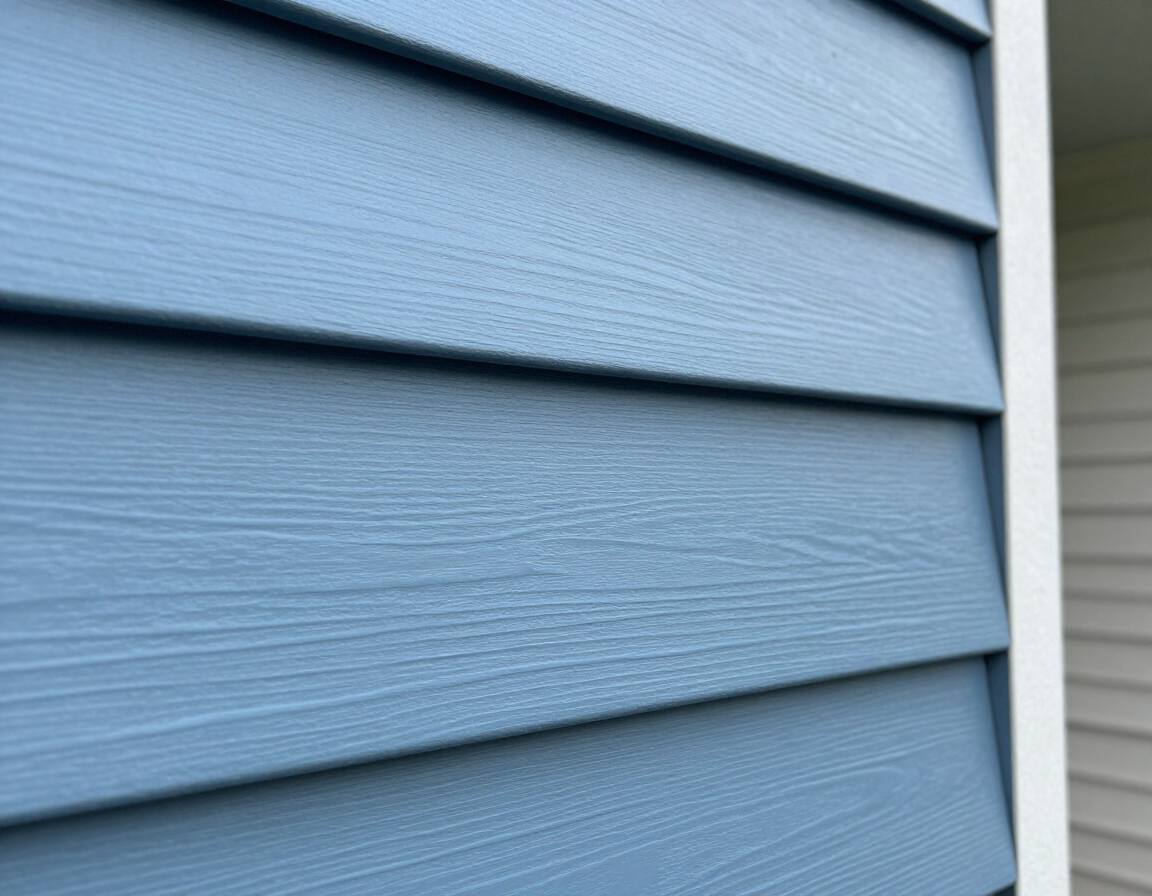
- Wood-grain texture: Embossed texture that replicates the visual character of natural wood without the maintenance load. Popular in Bellingham neighborhoods where craftsman and traditional character matters.
- Stucco and panel profiles: Less common but available for specific architectural applications.
Color is typically applied as a factory primer coat (requiring a finish coat after installation) or as a factory-applied color that is baked on. The right choice depends on the profile, the product, and how much flexibility you want when repainting in the future.
Durability and Weather Performance
Fiber cement holds up well in the Pacific Northwest's wet climate. It does not rot, warp from humidity, or become a food source for insects three common failure modes for wood siding in Western Washington. Its cement-based composition gives it dimensional stability that wood simply cannot match in persistently damp conditions.
That said, fiber cement is not impervious to moisture damage when it is improperly installed or maintained. The material is porous enough to absorb water at cut ends and in areas where the paint coat has degraded. Keeping end cuts primed and sealed, maintaining clearance from grade and rooflines, and repainting on the manufacturer's recommended schedule are all part of getting long life from fiber cement in a wet climate.
Fiber cement is also more impact-resistant than vinyl; it won't dent from a wayward branch or a stray baseball the way a thinner vinyl product might. It is not indestructible, but it holds its shape well under normal exterior conditions. Fire resistance is another commonly noted characteristic: cement-based materials do not ignite the way wood does, which can be relevant in some areas and for some insurance purposes, though homeowners should verify specific ratings for any product they consider.
Rot Resistant
Impact Resistant
Dimensionally Stable
Finishing, Paint, and Long-Term Appearance
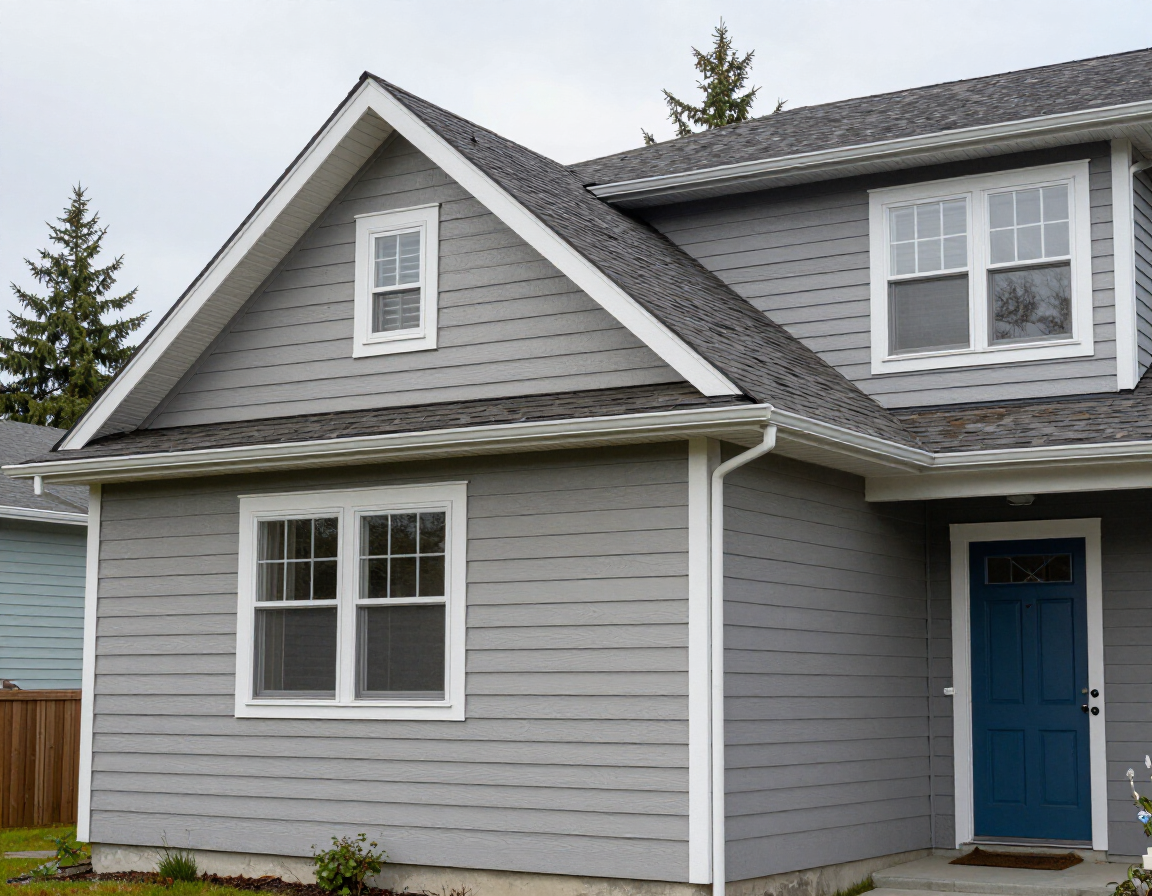
Fiber cement products typically ship either factory-primed or factory pre-finished. Factory-primed panels arrive with a base coat applied and need a finish coat of exterior paint after installation, giving you full control over color. Factory pre-finished products arrive with a baked-on color already applied, which can simplify installation but limits your color flexibility until the next repainting cycle.
Fiber cement holds paint better than raw wood because it does not expand and contract as dramatically with moisture. Most manufacturers recommend repainting on a schedule, often every 10 to 15 years, depending on the product, the climate exposure, and the quality of the paint system used. In Bellingham's environment, south- and west-facing walls tend to show paint wear earlier than shaded or north-facing surfaces.
When the time comes to repaint, the surface typically needs to be cleaned, any peeling or chalking paint removed, end cuts and joints re-caulked, and a compatible exterior topcoat applied. Using a paint system the product manufacturer recommends helps ensure adhesion and longevity. This is a meaningful ongoing maintenance task; fiber cement reduces how often you repaint compared with raw wood, but it does not eliminate painting.
Weight, Handling, and Installation Requirements
Fiber cement is significantly heavier than vinyl and most engineered wood products. A standard fiber cement lap plank can weigh several times what a comparable vinyl panel weighs. This affects how the material is handled on site, how many people are needed to install it safely, and what tools are required to cut it cleanly without generating excessive silica dust.
For homeowners, the practical implication is that fiber cement installation is generally more labor-intensive than vinyl installation. Cuts require appropriate blades and dust controls. Panels are typically fastened to framing members with corrosion-resistant fasteners specified by the manufacturer, and installation must follow product-specific requirements for overlap, fastening pattern, and clearances.
One of the most important installation requirements for fiber cement in the Northwest is maintaining proper clearance from grade, rooflines, decking, and other horizontal surfaces where water can collect. Fiber cement that sits too close to standing water, soil, or accumulated debris will absorb moisture at its bottom edge, leading to premature paint failure and, in severe cases, material degradation. Standard clearance minimums exist for a reason in Bellingham's climate; they are worth taking seriously.
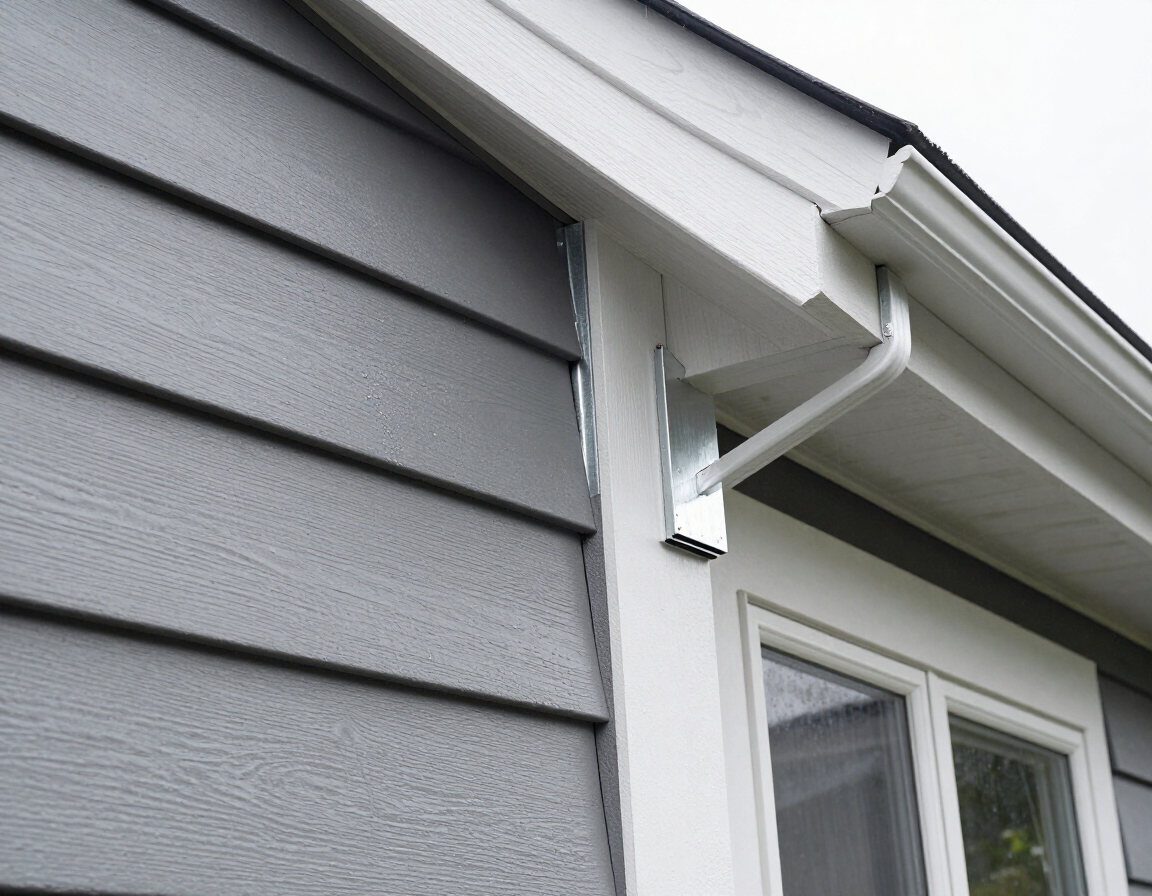
Installing fiber cement over a continuous water-resistive barrier with properly integrated flashing at windows, doors, and transitions is standard practice. The complete wall assembly matters as much as the panel itself. Siding is the outer layer of a system, not a standalone waterproofing solution.
Fiber Cement and Bellingham's Climate
Bellingham averages over 35 inches of rainfall per year, with wet seasons that run from fall well into spring. For siding, that means months of repeated wetting and drying cycles, frequent overcast humidity, and occasional hard freeze events in winter. Fiber cement performs well in these conditions, but only when it is installed and maintained correctly.
- Paint maintenance schedule: Keep the painted surface in good condition. Allowing the paint coat to fail exposes the cement substrate to direct moisture absorption, especially at end cuts.
- Clearance from grade and decks: Maintain manufacturer-specified clearance from ground-level surfaces, decking, and horizontal projections to prevent chronic moisture contact at the panel bottom.
- Flashing at windows and doors: Properly integrated window and door flashing directs water away from the wall assembly. Siding installed over inadequate flashing will allow water into the wall regardless of material.
- Caulking at joints and penetrations: Control joints, butt joints, and penetrations (utility, hose bibs, dryer vents) need appropriate caulking that is compatible with the material and maintained over time.
- Drainage plane: A water-resistive barrier behind the siding, with drainage capacity, is part of a properly assembled Northwest exterior wall.
- Early signs to watch: Bubbling or peeling paint, soft spots at the bottom course, staining below windows, and gaps in caulk joints are worth addressing promptly before moisture works into the wall assembly.
No siding material makes a house fully waterproof. The complete exterior wall system barrier, flashing, clearance, and maintenance determine long-term performance. Fiber cement is one durable component in that system.
How Fiber Cement Compares With Other Siding Materials
Fiber cement isn't the right choice for every home or every budget, and it doesn't need to be. Here's a straightforward comparison of the three most common residential siding materials in the Bellingham area, so you can weigh the trade-offs before requesting an estimate.
Fiber Cement
Durable, dimensionally stable, holds paint well. More installation labor than vinyl. Requires periodic repainting. Good profile variety. Higher upfront cost than vinyl; often similar to or higher than cedar depending on product.
Vinyl Siding
Lightweight, broad color selection, lower routine paint maintenance. Expands and contracts more noticeably than fiber cement. Impact damage is possible at lower product grades. Generally lower material cost.
Cedar & Wood Siding
Natural Northwest appearance and architectural character. Accepts stain and paint finishes. Requires the most maintenance of the three options in wet climates periodic staining or painting, inspection for rot, and prompt repair of damaged areas.
No material is universally best. The right choice depends on your home's architecture, your budget, your maintenance preferences, and the condition of your existing exterior. A siding professional can help you evaluate the options for your specific situation.
What Affects the Cost of a Fiber Cement Project?
Fiber cement project costs vary significantly depending on a range of factors. We don't publish specific price figures here because the variables are too broad to give a meaningful range without knowing your home, but we can explain what influences cost so you know what to discuss when you talk to a professional.
- Material grade and profile: Premium profiles (deeper reveal, wider plank, pre-finished color) cost more per square foot than standard builder-grade lap siding.
- Factory-primed vs. pre-finished: Pre-finished products typically carry a higher material cost but may reduce finishing labor.
- Home size and linear footage: Total square footage of exterior wall surface is the primary cost driver. Multi-story homes with significant trim coverage add complexity.
- Old siding removal: If existing siding needs to be removed and disposed of before installation, that adds labor and disposal cost.
- Wall condition and preparation: Damaged sheathing, inadequate flashing, or deteriorated water-resistive barriers discovered after removal add repair costs that can't be known in advance.
- Trim, soffit, and fascia: Replacing or updating trim boards, soffits, and fascia in coordination with new siding adds scope and cost.
- Access and complexity: Multi-story homes, complex rooflines, many window and door openings, and tight site access all increase installation labor.
- Paint and finishing: If the siding is factory-primed, finishing coat labor and material is an additional line item.
- Geographic and seasonal factors: Provider availability in Whatcom County and project timing within the construction season can affect scheduling and pricing.
The most reliable way to understand cost for your specific home is to describe your project and let a siding professional assess it. Use the estimate form on this page to get started.
How to Request a Fiber Cement Estimate
Getting started is straightforward. Here's how the process works.
Step 1: Tell Us About Your Siding Project
Submit information about your property, your current siding condition, and your interest in fiber cement, including any profiles or finishes you're considering. The more detail you include, the more useful the follow-up conversation can be.
Step 2: Review Your Project Needs
Your submission is reviewed to understand the project type, location, timeline, material interests, and other relevant details. This helps match your request to a professional who serves your area.
Step 3: Connect With a Siding Professional
When a professional is available for your project location, you may be connected to discuss next steps. Provider availability is not guaranteed and depends on the project and the service area.
Step 4: Receive and Evaluate Your Estimate
You can discuss scope, materials, product options, availability, and pricing directly with the provider. Submitting a request does not guarantee an estimate, specific pricing, or project acceptance.
Communities We Serve in Whatcom County
Project requests for fiber cement siding may be submitted from Bellingham and nearby Whatcom County communities, including Ferndale, Lynden, Blaine, Birch Bay, Sudden Valley, Everson, and other areas in the region. Bellingham is our primary focus, though requests from surrounding communities are welcome.
Provider availability varies by project location. When you submit an estimate request, include your property address or ZIP code so the right provider can be identified for your area.
Fiber Cement Siding Frequently Asked Questions
Here are answers to common questions homeowners ask about fiber cement siding in the Bellingham area.
Does fiber cement siding require a lot of maintenance?
Fiber cement requires less frequent maintenance than natural wood, but it is not maintenance-free. The painted surface needs to be kept in good condition, typically meaning a repaint cycle every 10 to 15 years depending on product, exposure, and paint quality. Caulking at joints and penetrations should be inspected periodically and refreshed as needed. In Bellingham's wet climate, staying on top of paint maintenance helps prevent moisture absorption at exposed end cuts and worn surfaces.
How often does fiber cement need to be repainted?
Most fiber cement products require repainting somewhere in the range of every 10 to 15 years, though this varies by product, wall orientation, and the quality of the paint system used. South- and west-facing walls typically show wear sooner than protected or north-facing surfaces. Always follow the specific recommendations for the product installed on your home.
Is fiber cement heavier than vinyl or wood siding?
Yes, fiber cement is significantly heavier than vinyl and most engineered wood products. That weight affects how it is handled on site and how it is installed. It generally requires more installation labor than vinyl, which is part of why installed costs are higher even when material costs are similar. The weight also means it must be supported and fastened according to the manufacturer's specifications.
How does fiber cement perform in Bellingham's wet climate?
Fiber cement performs well in wet conditions when it is properly installed and maintained. It does not rot, warp from humidity, or attract insects the way wood can. The keys to long performance in a wet climate are maintaining the paint coat, keeping clearance from grade and horizontal surfaces, properly flashing windows and doors, and caulking joints and penetrations. A fiber cement house with a degraded paint coat and low clearance will develop problems — the material itself is durable, but it is not a passive system.
Can fiber cement be installed over existing siding?
In some cases, new siding can be installed over existing siding if the substrate is sound, the wall is flat, and adding the new material does not create clearance, flashing, or structural problems. However, installing over old siding can hide problems and complicate future work. Whether to remove existing siding first is a decision best made by the professional doing the installation after evaluating the home.
How does fiber cement compare with vinyl siding on cost?
Fiber cement typically costs more than standard vinyl siding on a total installed-cost basis. The material itself is more expensive per square foot, and installation requires more labor because of the weight and cutting requirements. That said, fiber cement generally holds paint longer than vinyl accepts it (vinyl doesn't take paint the same way), offers more profile and appearance options, and is more impact-resistant. The cost difference may or may not be meaningful depending on your priorities.
Does fiber cement come pre-painted?
Yes. Most manufacturers offer both factory-primed and pre-finished options. Factory-primed products arrive with a primer coat applied and need a topcoat of exterior paint after installation. Pre-finished products arrive with a baked-on color, which eliminates the post-installation painting step but limits color flexibility until the next repainting cycle. Both approaches are common; the right choice depends on the product line and your preferences.
What information should I include with my fiber cement estimate request?
The more context you can provide, the more useful the estimate conversation will be. Include your property address or ZIP code, the approximate size of the area to be sided, your current siding material and its condition, any specific profiles or finishes you're interested in, your rough timeline, and a description of any concerns — moisture issues, damage, or areas that need attention beyond the main field of siding. Photos are helpful if you can attach them.
Explore Related Siding Services and Materials
Fiber cement is one option in a broader siding decision. Explore related pages to compare materials or learn about the specific service your project may require.
Thank you — your estimate request has been submitted. We'll review your information and be in touch if a siding professional is available for your area and project.
Ready to Explore Fiber Cement Siding for Your Home?
If you're considering fiber cement siding for a replacement, installation, or exterior update in the Bellingham area, describe your project below. Your request will be reviewed and you may be connected with an independent siding professional who can discuss options, scope, and pricing with you directly.
By submitting this form, you agree that your information may be shared with an independent siding professional who can follow up about your project. Submitting a request does not guarantee provider availability, pricing, an estimate, or acceptance of the project.