
Siding Installation in Bellingham, WA
Whether you are building a new home, adding onto an existing structure, or updating a dated exterior, the siding you choose shapes how your home looks, performs, and holds up against Northwest weather. This page walks through installation scenarios, material and profile options, weather-related installation details, and what to expect when you request an estimate.
When Is New Siding Installation the Right Move?
Siding installation covers a wider range of projects than most homeowners realize. Whether your project involves brand-new construction or a long-overdue exterior update, the core questions are similar which material suits the climate and your goals, which profile fits the architecture, and what does a well-installed exterior system actually involve?
New Home Construction
If you are building a new home or working with a builder on a custom project, siding decisions happen early and affect the entire exterior budget. Selecting the right material and profile before construction begins keeps the project on schedule and avoids costly changes mid-build.
Additions and Expansions
When adding a room, garage, or covered entry, the new siding needs to integrate with what is already on the house. Material matching, color coordination, and installation sequencing all require attention to ensure the addition does not look like an afterthought.
Complete Exterior Updates
Older homes often have siding that has outlived its original lifespan. A complete exterior update replaces deteriorating or outdated materials across the entire facade, giving homeowners the opportunity to change profiles, colors, and details at the same time.
Siding Profiles
Siding Profiles: How Style and Function Connect
The profile, shape, and orientation of each siding board or panel affect more than appearance. It influences how water drains off the surface, how the material expands and contracts, and how much maintenance the finished exterior will require. Understanding the common profiles helps you make an informed choice before installation begins.
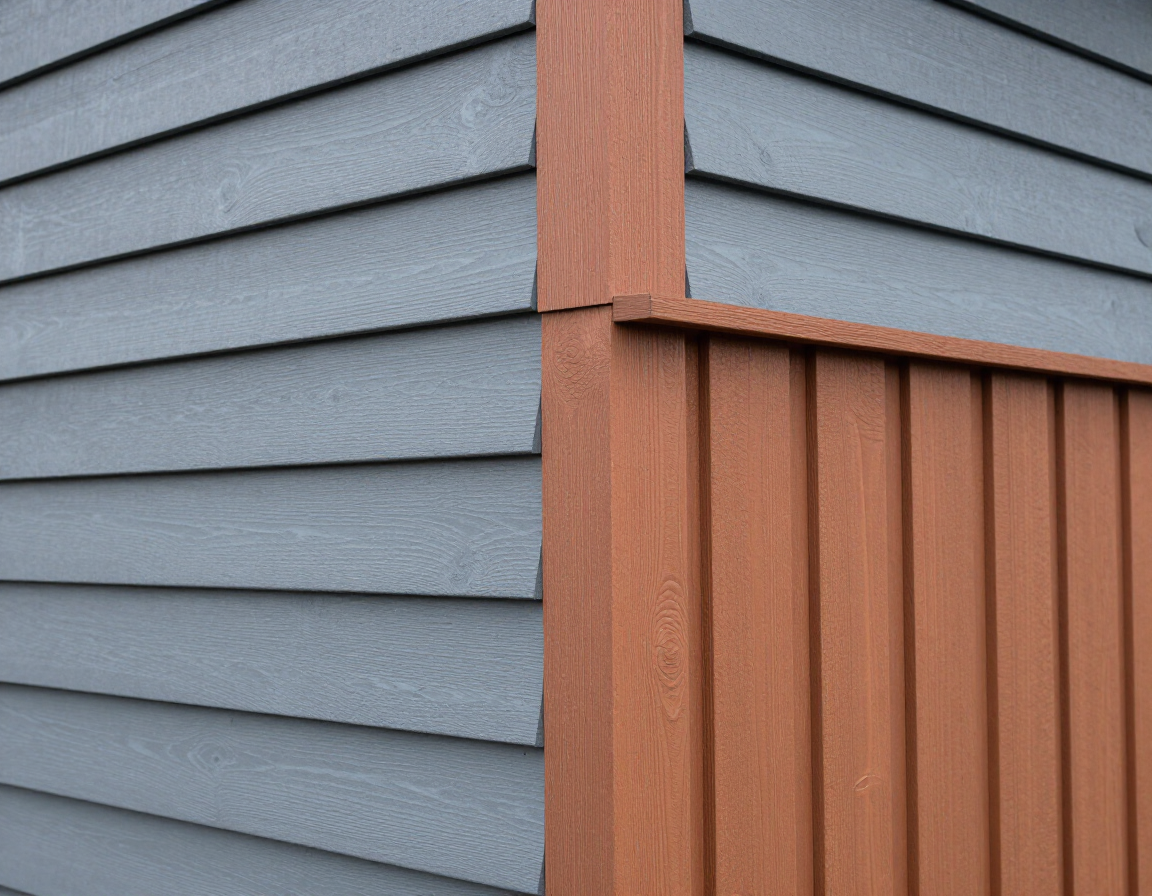
- Lap Siding (Horizontal): The most common residential profile. Boards overlap slightly, directing water away from the wall. Available in fiber cement, vinyl, and wood.
- Vertical Siding and Board-and-Batten: Boards run top to bottom, often paired with narrow cover strips (battens) over the joints. Creates a farmhouse or contemporary look and works well as an accent section.
- Shingle-Style Siding: Individual shingles or shingle-mimicking panels installed in staggered courses. Common on Craftsman and coastal-style homes throughout Western Washington.
- Accent Sections: Many homes combine a primary profile on most of the exterior with a contrasting profile on gable ends, dormers, or ground-floor bands. This approach adds visual depth without a full-exterior material change.
Siding Materials
Choosing the Right Material for Your Installation
No single siding material is the right choice for every project. The best option depends on your home's architecture, your maintenance preferences, your budget, and the specific conditions of the site. Below is a brief comparison of the three materials most commonly installed on Northwest homes.
Fiber Cement Siding
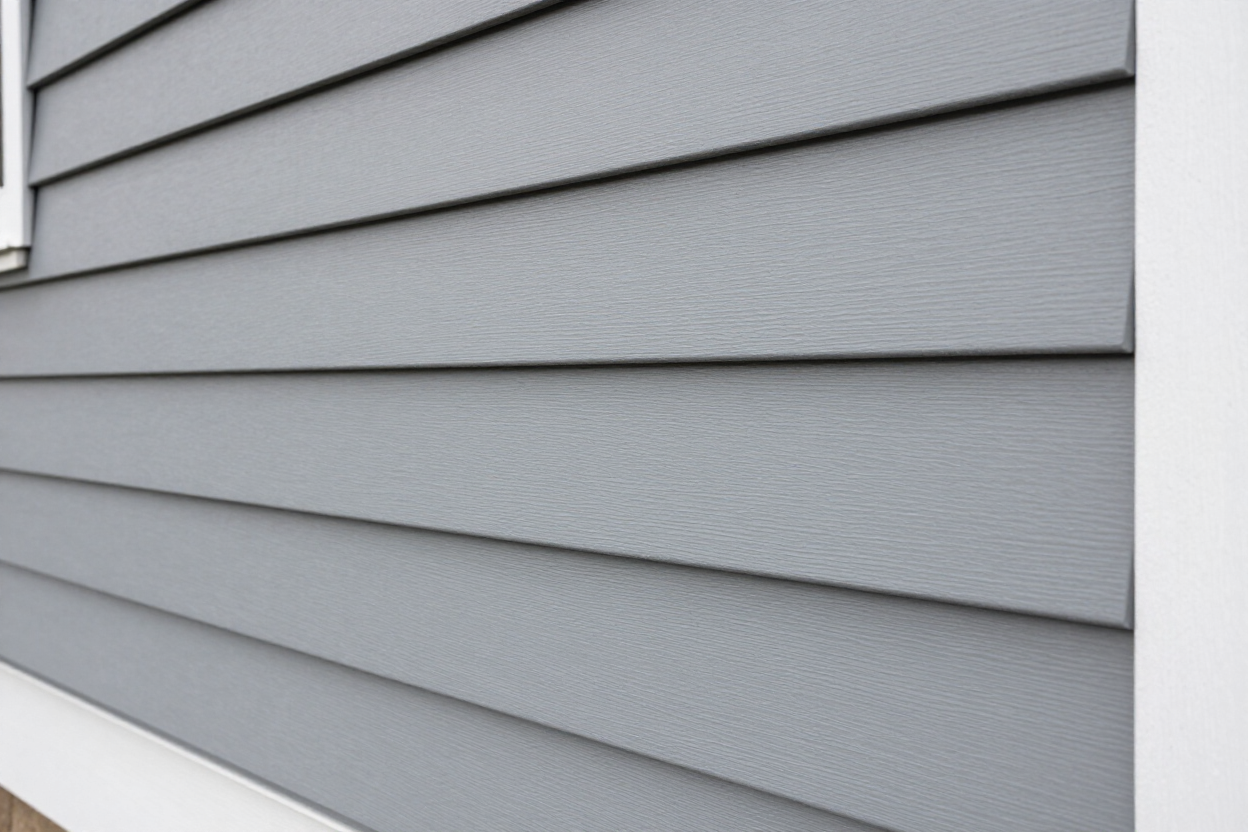
A composite material made from cement, sand, and cellulose fiber. Available in lap, vertical, and shingle profiles. Holds paint well, resists moisture, and is a widely used option across Western Washington. Requires repainting on a schedule and proper installation to perform as intended.
Vinyl Siding
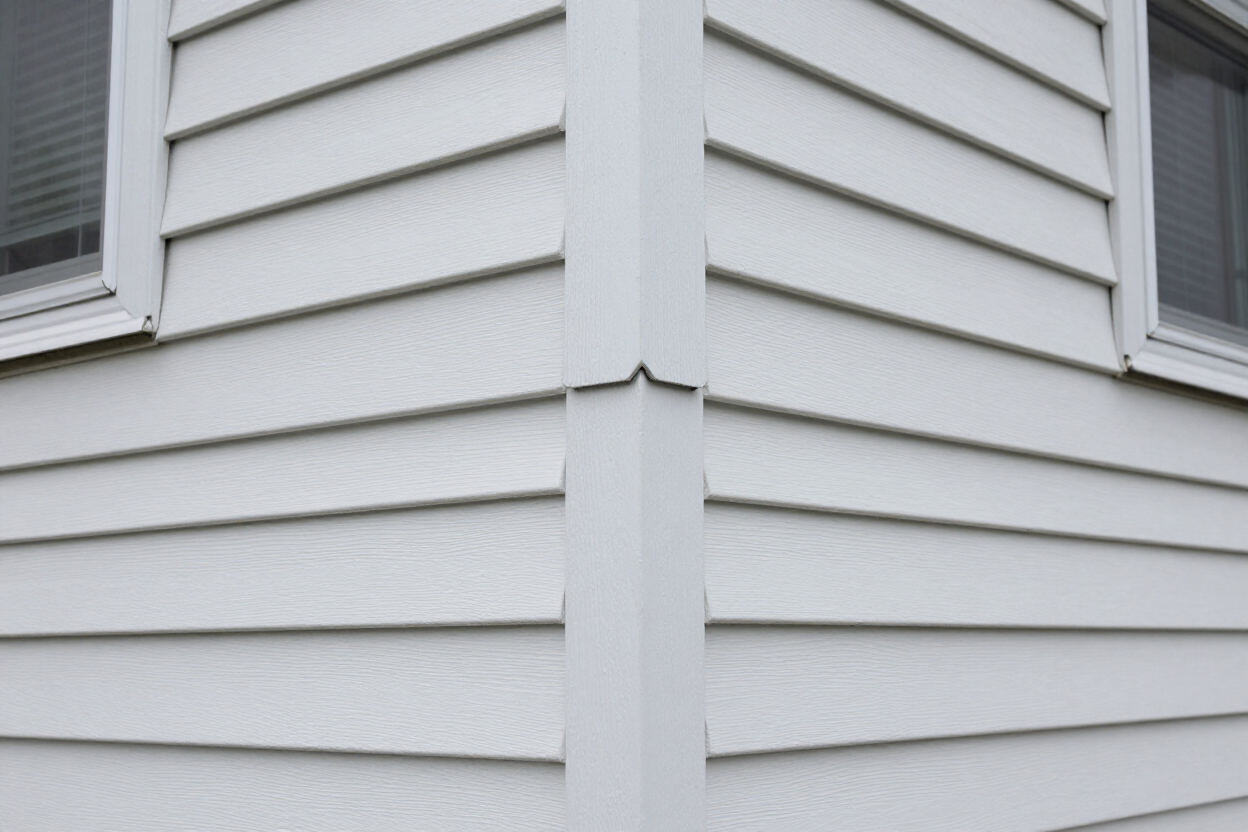
A popular choice for its broad range of colors and profiles and its lower routine painting requirement. Quality varies by product line. Proper installation including expansion gaps and correct fastening affects how well it holds up to Northwest temperature swings and wind.
Cedar and Wood Siding
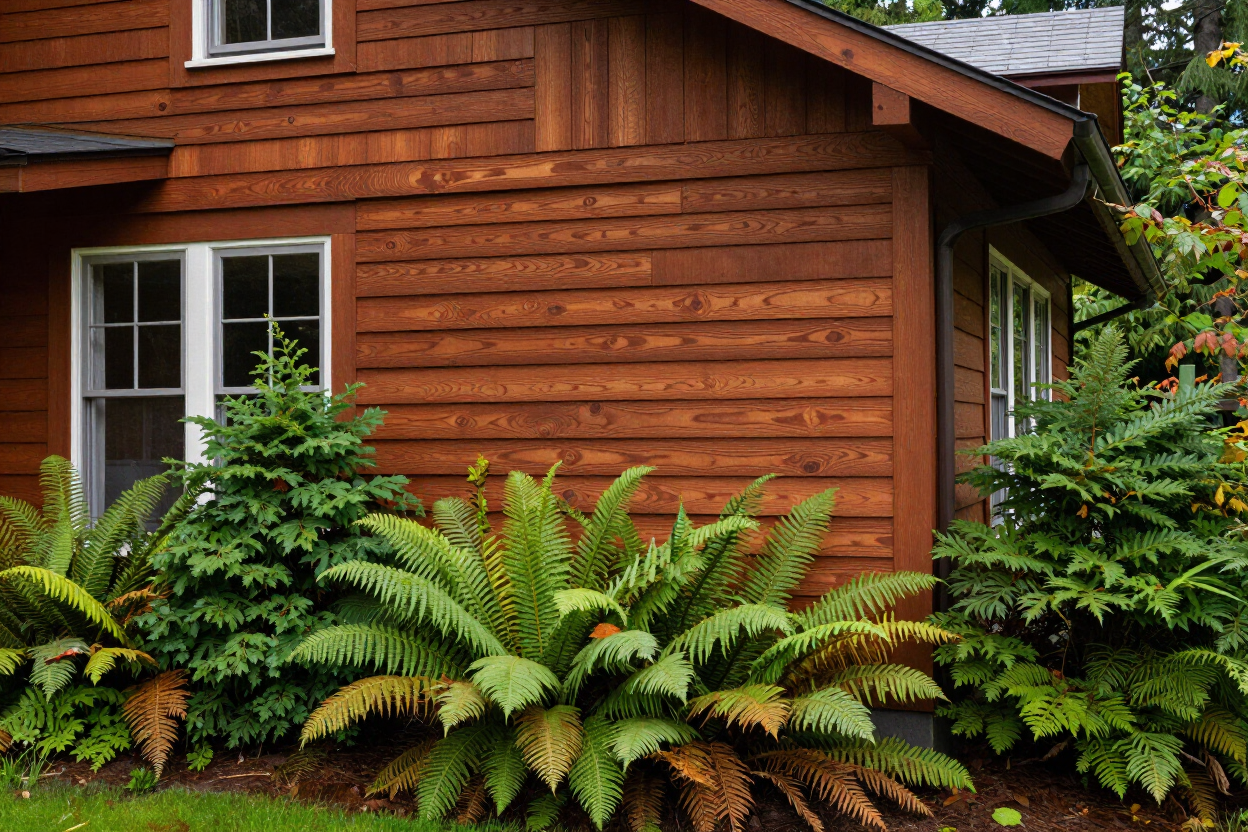
Valued for its natural appearance and architectural character. Works well with Craftsman, bungalow, and cabin-style homes common in Whatcom County. Requires consistent maintenance staining or painting on schedule particularly in Bellingham's wet climate.
Exterior Details
Trim, Color, and Exterior Coordination
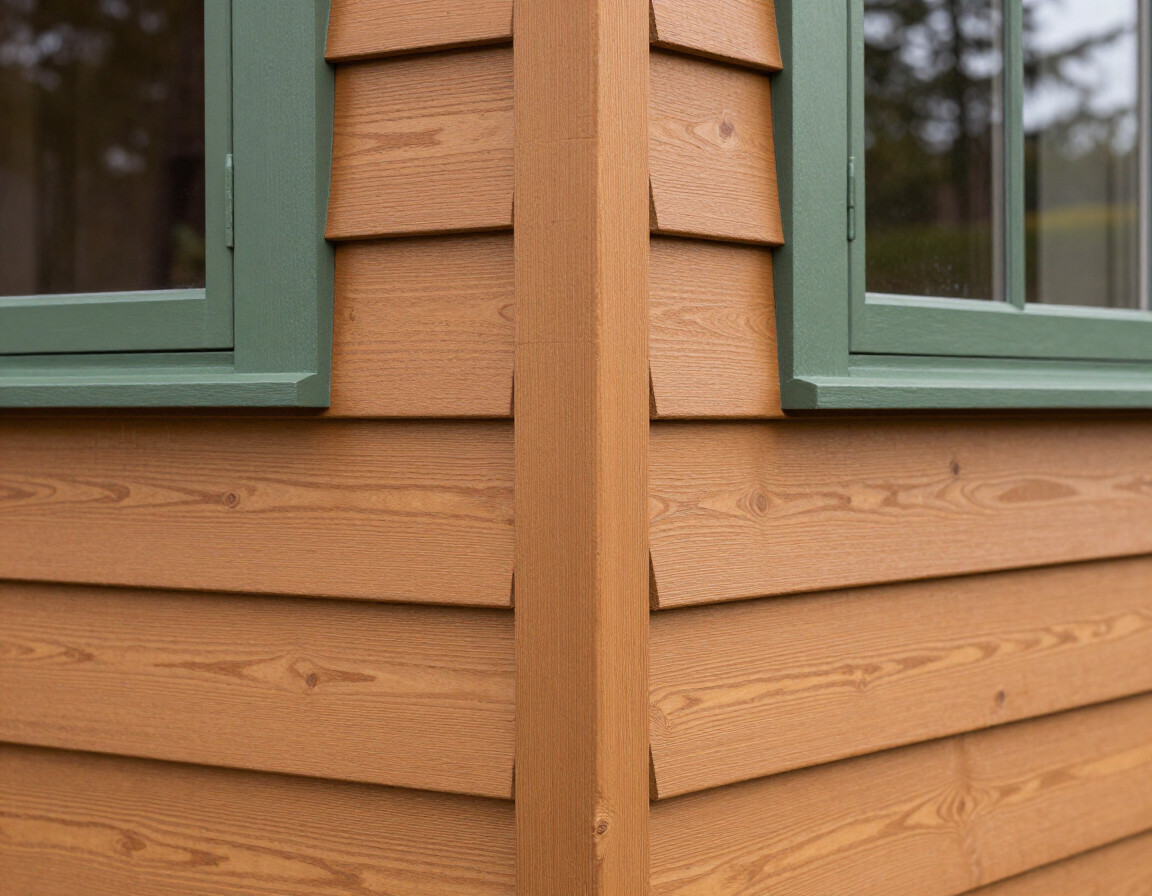
The siding itself is only part of the finished exterior. Trim boards, corner wraps, window and door casings, frieze boards, and soffit materials all need to work together visually. When these elements are selected early in the process, the finished result looks intentional rather than assembled one piece at a time.
- Trim Width and Profile: Wider trim creates a more traditional look; narrower trim reads as more modern. Match the trim profile to the siding profile for a cohesive result.
- Color Relationships: The relationship between siding color, trim color, and accent color (doors, shutters) shapes the home's character. Neutral siding with a contrasting trim is a reliable combination for resale flexibility.
- Pre-Finished vs. Field-Painted: Some siding products come with a factory-applied finish; others are painted on site after installation. Factory finishes reduce early on-site labor but require careful color selection before the order is placed.
- Consistent Material Logic: Mixing siding materials across gable ends, accent sections, and main walls can look intentional when planned carefully or disjointed when it is not.
Installation Details
What a Properly Installed Exterior System Involves
Siding is the visible layer of a multi-part exterior wall system. How well that system manages water, air, and moisture movement determines how long the materials last and how well the wall assembly holds up over time. The following details matter regardless of which material is selected.
Water-Resistive Barrier
A continuous water-resistive barrier (housewrap or building paper) behind the siding is a critical line of defense. It allows any water that gets behind the cladding to drain out rather than soak into the sheathing.
Flashing at Openings
Windows, doors, utility penetrations, and rooflines require properly integrated flashing to prevent water from tracking into the wall at these vulnerable transitions. This is one of the most common sources of moisture damage when installation shortcuts are taken.
Drainage and Ventilation
Many installation systems include a small drainage gap between the back of the siding and the water-resistive barrier. This rain-screen approach gives moisture a path out and allows the wall cavity to dry more effectively, particularly relevant in Bellingham's consistently wet climate.
Fastening Requirements
Siding must be fastened according to the material's specifications. The wrong nail types, incorrect spacing, or overdriven fasteners can cause buckling, cracking, or voided finish warranties. Fastener requirements vary by material and profile.
Clearances and Penetrations
Gaps between the bottom of the siding and grade, decking, or roof surfaces matter. Insufficient clearance accelerates moisture contact and can lead to early deterioration. Utility penetrations should be properly sealed and flashed.
Caulking and Sealants
Certain joints, corners, and transitions require caulking. Over-caulking and under-caulking are both problems. Some materials, like fiber cement, have specific guidelines about which joints should be caulked and which should remain open for drainage.
Why Manufacturer Specifications Matter
Every siding product comes with a set of installation specifications from the manufacturer requirements for fastener type and spacing, overlap dimensions, clearance from grade, painting schedules, and more. These are not suggestions.
Following manufacturer installation specifications affects finish longevity, structural performance, and in some cases whether a finish warranty remains valid. A product installed with incorrect fastener depth, insufficient lap, or without the required primer coat may fail earlier than expected, and the cause may not be immediately visible. When evaluating installation work, homeowners should feel comfortable asking their provider whether the installation follows the manufacturer's published guidelines for that specific product and profile. The site does not endorse or hold any affiliation with specific siding manufacturers or brands.
Northwest Conditions
Siding Installation in Bellingham's Wet Climate
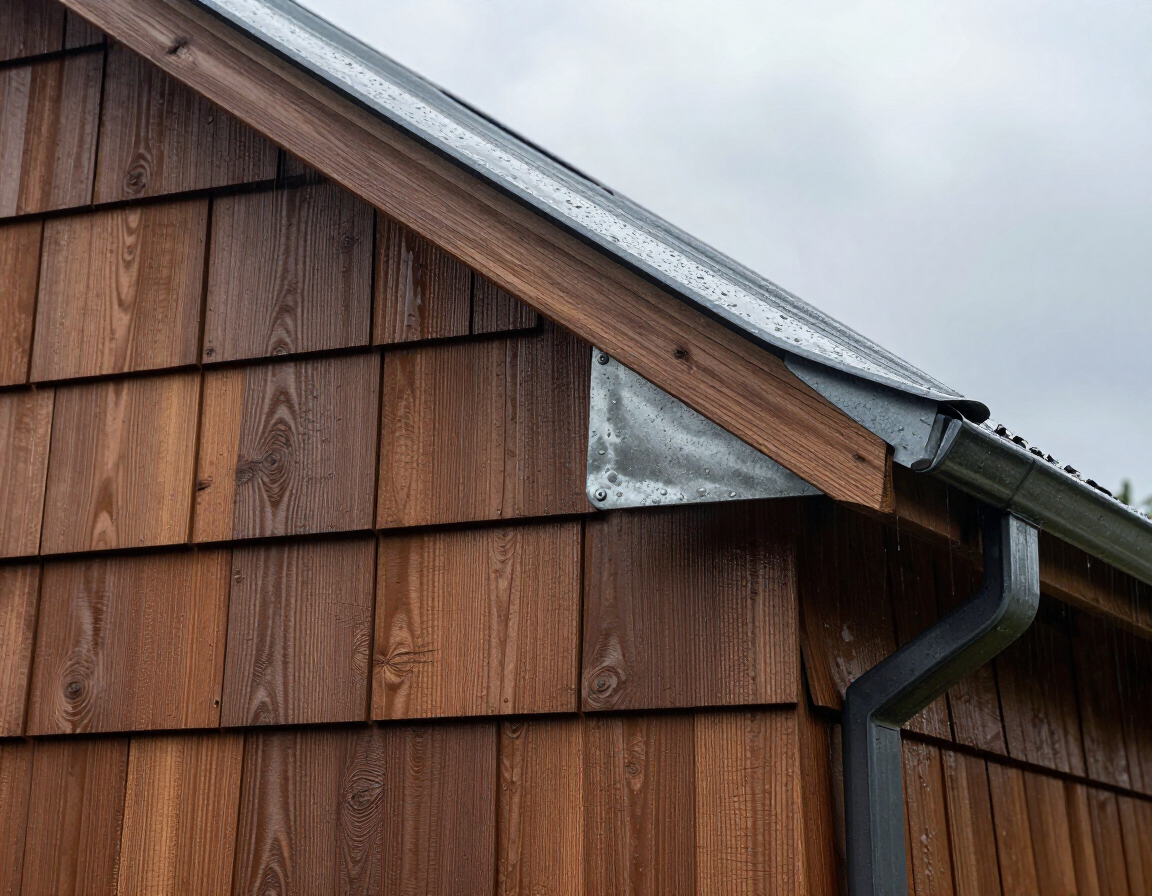
Bellingham receives consistent rain from fall through spring, with high ambient moisture even in drier months. For siding installation, this means the wall system needs to be designed and built with drainage and drying in mind, not just treated as an afterthought once the visible siding is in place.
- Rain-Screen Details: A small drainage gap between the siding and the housewrap allows water that gets behind the cladding to drain rather than pool. This detail is especially relevant for materials with lap seams in areas with high annual rainfall.
- Moisture Content of Framing: In new construction or renovations, framing lumber needs to be at appropriate moisture content before siding is installed. Installing over wet framing can cause sheathing movement and fastener problems as materials dry.
- Expansion and Contraction: Vinyl and engineered materials expand and contract with temperature changes. Proper fastening and gap allowances as specified by the manufacturer are essential to preventing buckling in climates with temperature fluctuation.
- Timing and Weather Windows: Installation requires dry conditions. Extended rainy periods can affect scheduling, particularly for products that require on-site painting or caulking to cure properly.
- Clearance from Ground, Decks, and Roofing: Keeping the bottom of the siding clear of standing water sources, including deck surfaces and low-slope roof sections, reduces early moisture contact and prolongs material life.
What Affects the Cost of Siding Installation?
Siding installation costs vary substantially from project to project. The following factors typically have the greatest influence on the final cost. Any estimate you receive should reflect the specifics of your project rather than a generic range.
- Home Size and Stories: More square footage means more material and more labor. Multi-story homes require additional staging and safety equipment, which adds to the overall cost.
- Material Selection: Fiber cement, vinyl, and cedar siding have different material costs. Within each category, product quality and finish options also affect price.
- Profile Complexity: Straightforward horizontal lap siding is typically less labor-intensive than intricate shingle patterns or multi-profile mixed installations.
- Trim Scope: Replacing window casings, corner boards, fascia, and soffit alongside the siding adds material and labor, but may be necessary if existing trim has deteriorated.
- Site Access and Preparation: Difficult lot access, dense landscaping, or existing siding that requires careful removal can increase labor time.
- Wall Condition and Repairs: If sheathing damage, rot, or moisture problems are found once the old siding comes off, addressing those conditions adds cost. This is difficult to estimate without an on-site inspection.
- Geographic Location: Provider availability, travel distance, and local labor rates within Whatcom County can influence pricing.
Scheduling Your Siding Installation Project
Project scheduling depends on more than just your preferred start date. Understanding the common variables helps set realistic expectations before you begin reaching out for estimates.
- Material Lead Times: Some siding products, particularly special colors or premium fiber cement profiles, may need to be ordered ahead of the installation start date. Lead times vary by supplier and season.
- Weather Windows: Northwest winters are consistently wet, and installation requires dry conditions for many steps, especially painting, caulking, and housewrap tape adhesion. Many homeowners plan exterior projects for late spring through early fall, which can affect provider availability.
- Project Complexity: A straightforward lap-siding installation on a single-story home takes less time than a multi-profile, multi-story renovation. Your provider can give a better timeline estimate once they have reviewed the full scope.
- Provider Capacity: Independent siding professionals serving Whatcom County may have lead times that vary by season, crew availability, and current project commitments. Submitting your project information early gives you more scheduling flexibility.
- Permit Requirements: Some jurisdictions require permits for full siding replacements or major exterior renovations. Permit review and approval adds time to the project start date. Ask your provider about local requirements for your specific project.
Submitting a project description through the estimate request form gives providers the context they need to give you a more useful preliminary timeline discussion.
Be Prepared
Questions to Ask Before Siding Installation Begins
The more informed you are going into provider conversations, the better equipped you will be to evaluate what you are told and make decisions that match your goals. These are practical questions worth asking not as a checklist to recite, but as a starting point for an honest conversation.
Which installation method does this product require, and will you follow the manufacturer's specifications?
Some installation shortcuts are not visible once the siding is in place. Confirming that the provider follows manufacturer guidelines is a basic quality check.
What water-resistive barrier and flashing will be used?
Understanding what is going on behind the siding, not just on top, helps you evaluate the quality of the wall system being installed.
Will the existing siding be removed, and what happens if damage is found underneath?
For renovation projects, knowing the plan for any discovered sheathing damage or rot avoids surprises mid-project.
How will windows, doors, and utility penetrations be flashed and sealed?
These transitions are among the most common sources of early moisture problems. Ask for specifics, not a general answer.
What are the maintenance requirements for the material you are recommending?
Every siding material requires some level of ongoing care. Understanding what that involves and on what schedule helps you plan for long-term ownership costs.
What is included in the project scope siding only, or trim, soffit, and fascia as well?
Scope misunderstandings are a common source of cost disagreements. Get clarity on what is and is not included before work begins.
What is the expected project timeline, and what factors could extend it?
Weather, material delays, and hidden damage are common timeline variables. Ask how the provider handles schedule changes.
How will cleanup and site protection be managed?
Siding installation generates debris and requires staging. Understanding site management expectations ahead of time prevents friction during the project.
How the Estimate Request Process Works
Submitting an installation project through North Sound Siding Co. takes a few minutes. Here is what to expect at each step.
1. Tell Us About Your Project
Use the estimate request form to describe your property, the type of installation project you are planning, the material you are interested in (or ask for guidance), and your approximate timeline and budget range.
2. Project Details Are Reviewed
The information you submit, including project type, location, material interests, and other details, is reviewed to understand the scope of the request before any connection is made.
3. Connection With a Provider
If an independent siding professional serves your project location and the project fits within their current capacity, you may be connected for follow-up. Submitting a request does not guarantee provider availability or project acceptance.
4. Discuss Options and Receive an Estimate
Once connected, you can discuss your project scope, material preferences, timeline, and pricing directly with the provider. Any estimate you receive comes from the independent professional, not from North Sound Siding Co.
Whatcom County Communities We Serve
Project requests for siding installation may be submitted from Bellingham and the surrounding communities of Whatcom County. Bellingham is the primary focus, and provider availability may vary depending on the project location.
- Bellingham
- Ferndale
- Lynden
- Blaine
- Birch Bay
- Sudden Valley
- Everson
- Nearby Whatcom County communities
If you are located outside these areas, you are still welcome to submit a project description. Provider availability for locations farther from Bellingham cannot be guaranteed.
Common Questions
Siding Installation FAQs
How long does a siding installation project typically take?
Timeline varies based on the size of the home, the number of stories, the profile being installed, and any prep work required. A straightforward single-story installation may be completed in a few days; larger or more complex projects take longer. Material lead times and weather windows also affect scheduling. Any timeline discussion should happen directly with the provider once they have reviewed the full project scope.Do I need to remove my existing siding before new siding can be installed?
It depends on the condition of the existing siding, the profile being installed, and the provider's recommendation. Installing over existing siding is done in some cases, but it adds thickness to the wall, may affect trim clearances, and can hide underlying damage. If the existing siding is deteriorating or if moisture damage is a concern, removal is often the more practical approach. Your provider can assess the specific conditions of your home.What is the best siding material for Bellingham's climate?
There is no single best material — the right choice depends on your home's architecture, your maintenance preferences, your budget, and the specifics of the project. Fiber cement is widely used in Northwest climates for its durability and moisture resistance. Vinyl is a common choice for its lower routine maintenance. Cedar offers natural character but requires consistent upkeep, especially in wet conditions. The material pages on this site cover each option in detail.Can new siding be installed during the winter in Bellingham?
Some installation work continues through Northwest winters, but persistent rain and cold temperatures create real constraints. Housewrap tape, caulking, and site-painted products require conditions that winter weather does not always provide. Many providers prefer dry weather windows, and scheduling flexibility is often needed for late fall through early spring projects.How do I know which siding profile is right for my home?
Profile selection is influenced by your home's architectural style, the look you are trying to achieve, and practical installation considerations. Horizontal lap siding is the most common and versatile choice. Vertical profiles and board-and-batten work well on contemporary and farmhouse-style homes, or as accent sections. A provider can walk you through profile options once they have seen your home.Will new siding affect my home's energy performance?
Siding alone is not a primary factor in energy performance. However, a siding installation project provides an opportunity to add or improve exterior insulation and address air-sealing gaps in the wall assembly if that work is included in the scope. Insulated vinyl siding can reduce thermal bridging slightly, but significant energy improvements typically require work on the full wall system. Do not expect siding alone to produce specific measurable energy savings.What should I include in my estimate request to get a useful response?
The more specific you can be, the more useful the follow-up conversation will be. Include the property address or ZIP code, a description of the project (new construction, addition, or renovation), the material or profile you are considering, the approximate project timeline, and a description of current conditions. Photos of the existing exterior are helpful when available — you can upload them through the estimate request form.
Related Services and Siding Options
Siding Replacement
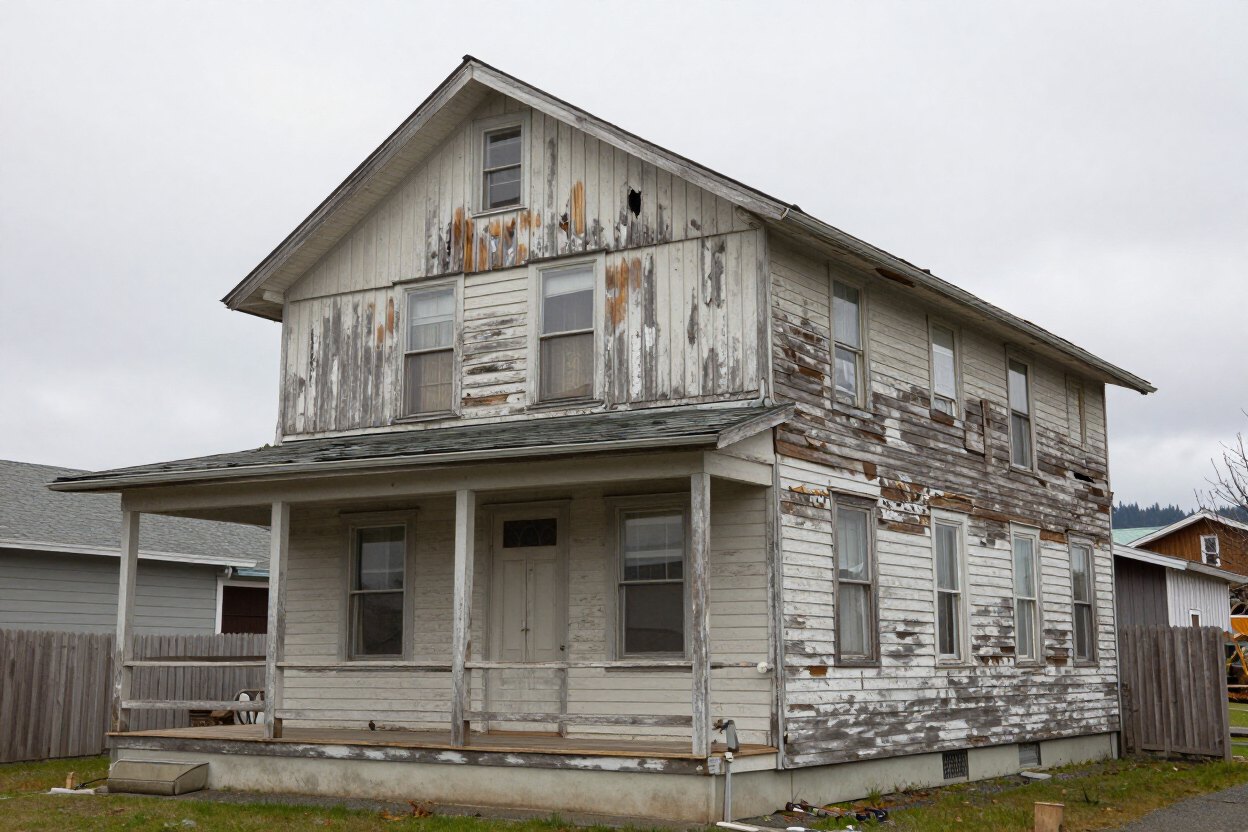
When damage or deterioration affects a significant portion of the exterior, replacement may be the more practical and durable solution.
Siding Repair
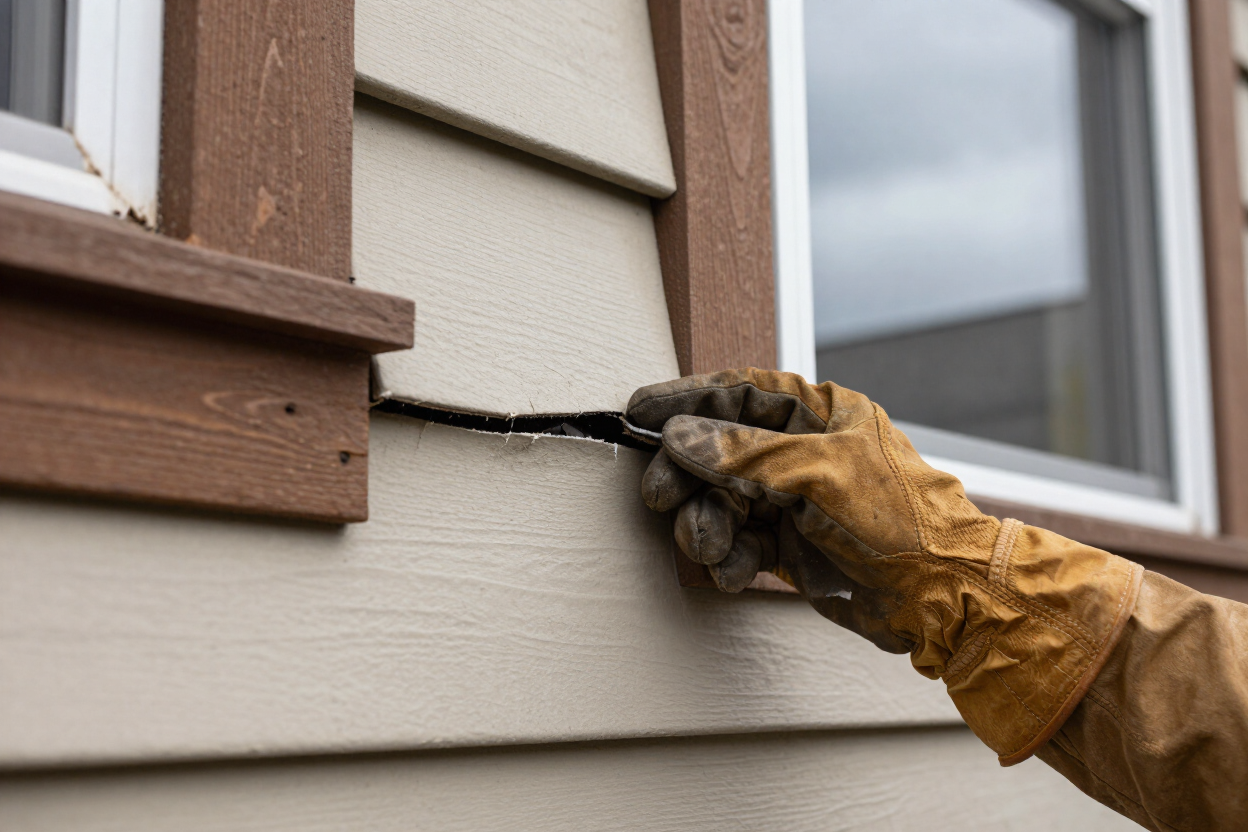
Localized cracks, loose panels, impact damage, or rot in a limited area may be addressed with targeted repair rather than a full replacement.
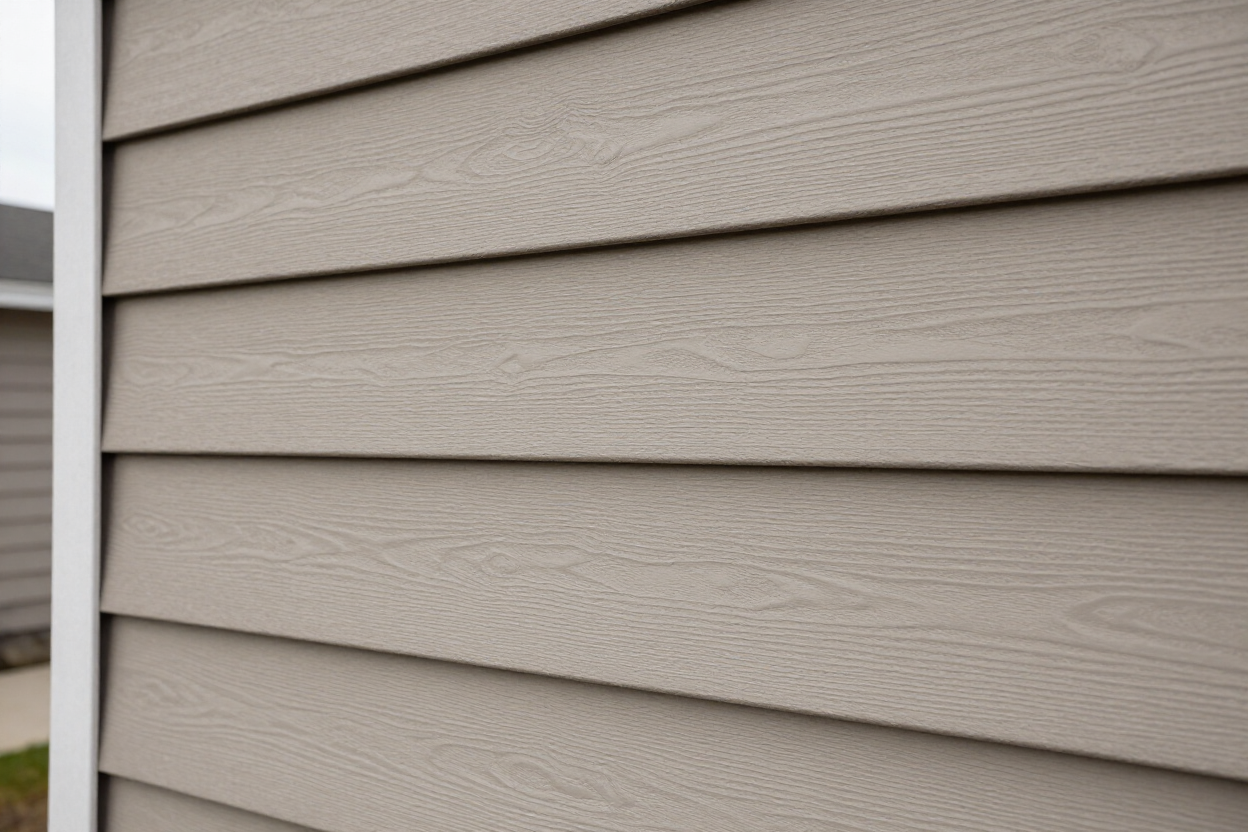
Fiber Cement Siding
A durable composite available in multiple profiles and finishes, widely used across Western Washington for its weather performance.
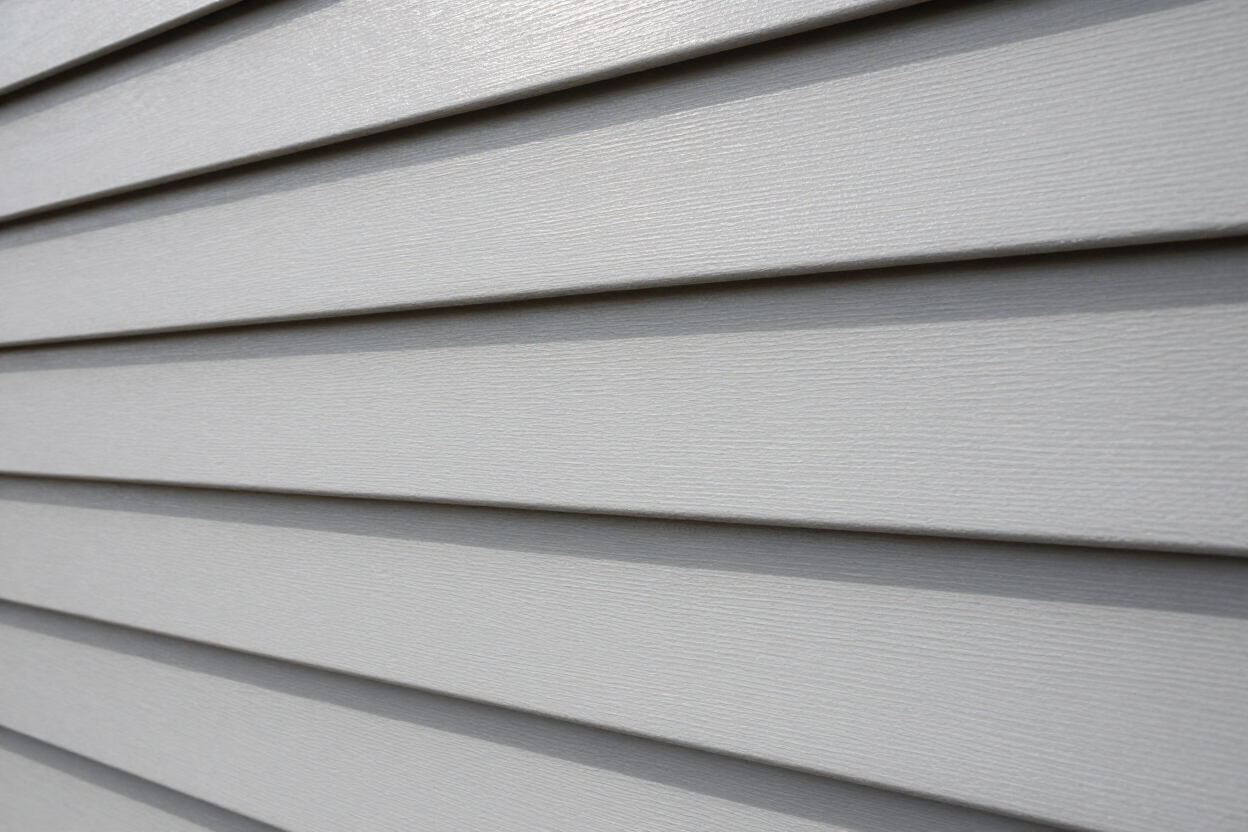
Vinyl Siding
A broad range of colors and profiles with lower routine painting requirements one of the most common choices for Northwest residential exteriors.
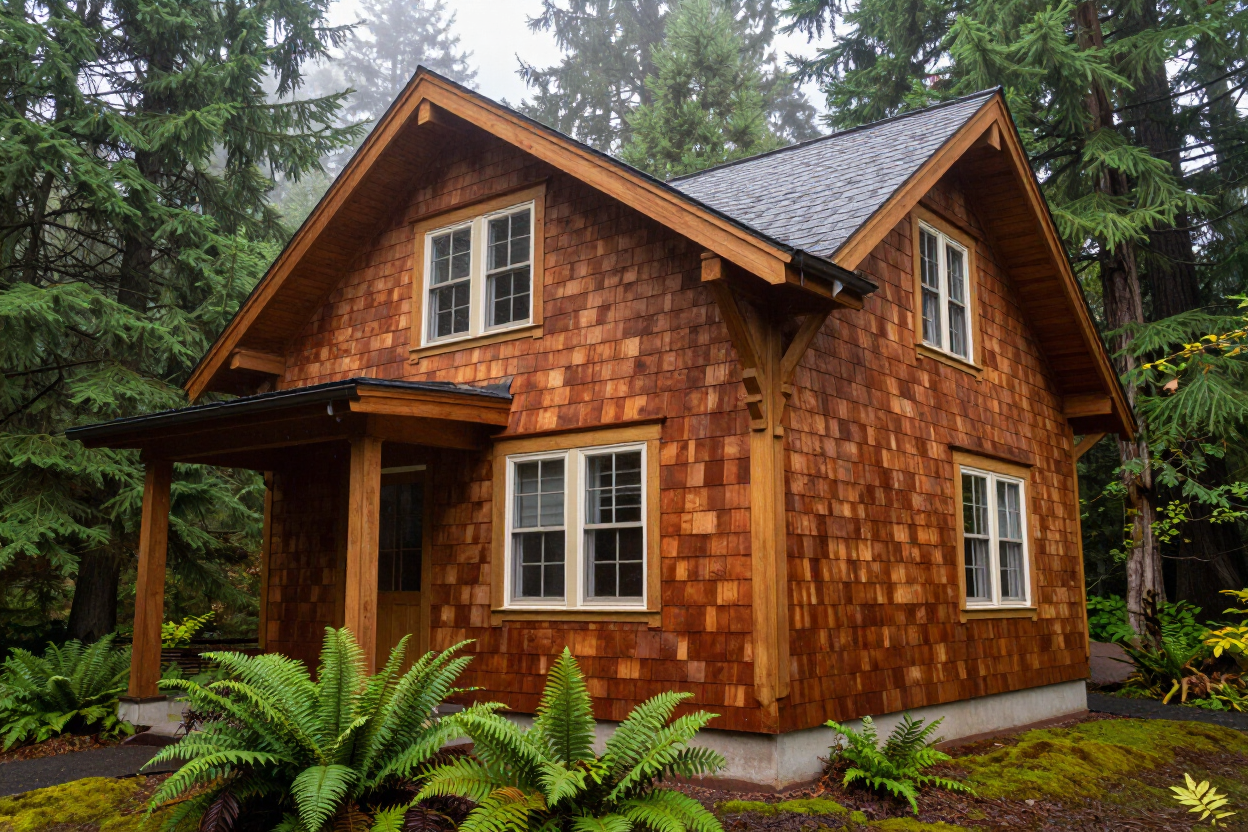
Cedar and Wood Siding
Natural wood character with finishing flexibility best suited for homeowners prepared for the maintenance requirements of a wet climate.
Thank you for submitting your installation request. We will review your project details and be in touch if a provider is available for your location and project type.
Request Your Siding Installation Estimate
Describe your project and property below. The information you share helps ensure your request reaches the right provider for your location and project type. All fields marked required must be completed before submission.
By submitting this form, you agree that your information may be shared with an independent siding professional who can follow up about your project. Submitting a request does not guarantee provider availability, pricing, an estimate, or acceptance of the project.