
Siding Replacement in Bellingham, WA
If your home's siding shows widespread damage, persistent moisture problems, or materials that have reached the end of their useful life, replacement may be the most practical path forward. This page covers what to look for, how the process works, what materials are available, and how to submit a replacement estimate request for your Bellingham-area home.
Warning Signs Your Siding May Need Replacing
Siding doesn't always fail all at once. Problems tend to build over time, and by the time they're easy to spot, the underlying wall assembly may already be affected. These are some of the most common indicators that a full replacement conversation may be worth having.
Warning Sign
Widespread Cracking or Splitting
Isolated cracks can often be repaired, but when cracking appears across multiple sections or in a consistent pattern, it typically signals that the material has aged beyond the point where patching is practical.
Warning Sign
Warped or Buckled Panels
Siding that has visibly pulled away from the wall, bowed outward, or buckled across a large area usually reflects moisture intrusion, fastening failure, or material deterioration rather than a single isolated event.
Warning Sign
Soft or Rotting Wood
If pressing on wood or engineered wood siding reveals soft, spongy areas, rot has likely taken hold. Localized rot can sometimes be repaired, but if soft spots appear in several locations, the full scope of moisture damage may be larger than it appears.
Warning Sign
Peeling or Failing Finishes
Paint that peels within a few years of application, or stain that fails repeatedly in the same spots, often signals moisture moving through or behind the siding rather than a simple paint problem.
Warning Sign
Visible Moisture Damage
Staining, discoloration, efflorescence, or mold growth on or around siding panels may indicate that water is getting behind the cladding and not draining or drying properly.
Warning Sign
Materials No Longer Available
When a product has been discontinued, matching replacement panels for repairs becomes difficult. If matching is no longer possible, a full replacement allows for a consistent finished appearance.
Warning Sign
Frequent or Escalating Maintenance
Siding that needs repainting, recaulking, or patching every season is no longer performing the way it should. Recurring maintenance costs can make replacement a more practical long-term choice.
Warning Sign
Damage Around Windows, Doors, and Penetrations
Deterioration concentrated near windows, doors, utility penetrations, or rooflines can indicate flashing or sealing failures that may require more than surface-level repair to address properly.
Widespread Deterioration vs. Localized Damage
One of the most common questions homeowners ask is whether they need a full replacement or whether repairs will do the job. The honest answer depends on how much of the siding is affected, what condition the underlying wall is in, and whether matched materials are still available.
Localized Damage
When a problem is limited to a clearly defined area, such as a few cracked panels after an impact, a section of rot near a single window, or a handful of loose boards, repair is often a practical and cost-effective solution. The key conditions are that the rest of the siding still has useful service life, the damage hasn't compromised the wall assembly behind it, and matching materials can be found.
Widespread Deterioration
When damage or deterioration appears across multiple elevations of the home, when moisture has reached the wall framing or sheathing in several locations, or when the siding material is no longer available for matching, replacement becomes the more straightforward path. Repeated repairs can be a short-term fix that delays a larger and more disruptive project down the road.
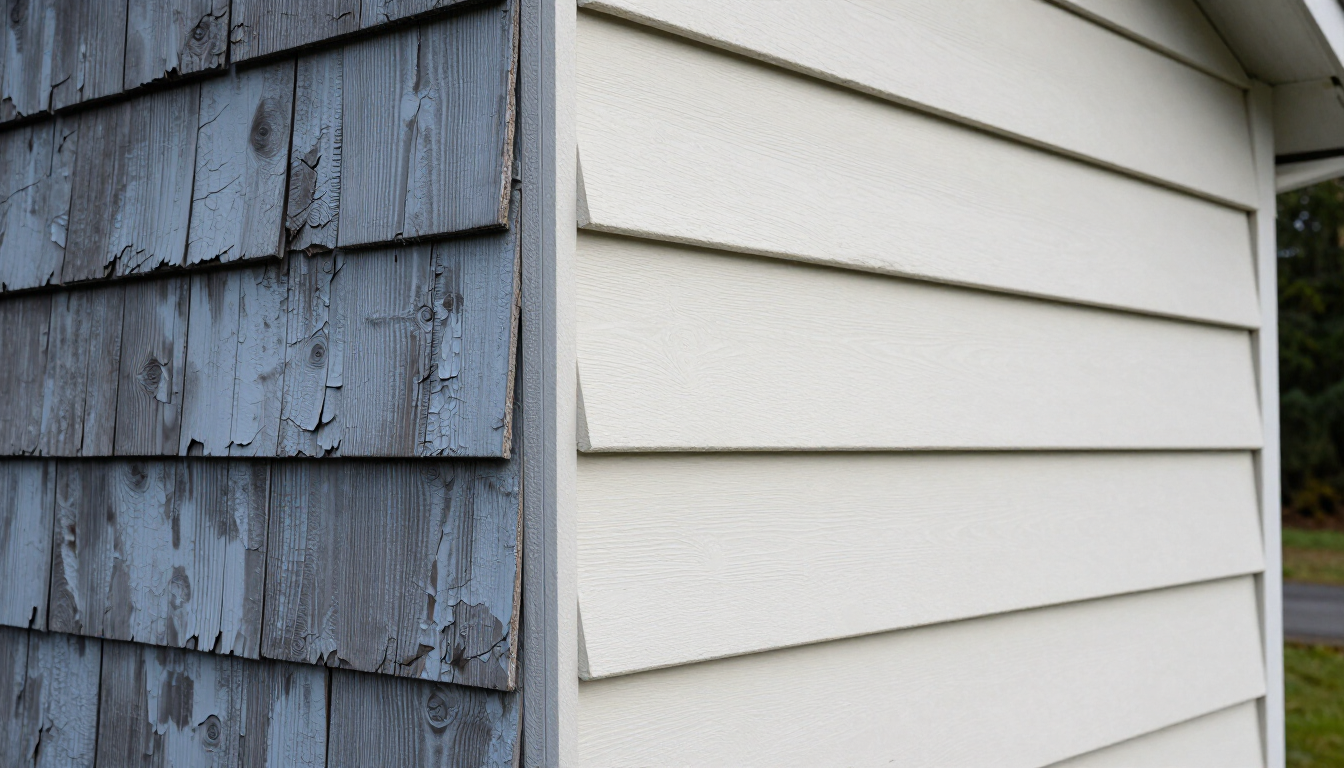
Removing Old Siding and Preparing the Exterior
In many replacement projects, removing the existing siding is part of the process; it allows the installer to inspect the wall sheathing, water-resistive barrier, and framing for damage before new materials go on. In some cases, new siding can be installed over existing material depending on wall conditions, building requirements, and the selected product, but this decision is typically made after evaluating what's already there.
Evaluating the Wall Assembly
Once old siding is removed, the condition of the underlying wall becomes visible. Sheathing that has absorbed moisture, damaged or missing house wrap, deteriorated flashing, or framing issues can all affect how the project proceeds. Identifying these conditions early allows them to be addressed before new siding installation begins, rather than being covered over.
Possible Hidden Damage
It's worth understanding that some damage is only visible after removal. Minor rot, moisture staining, or failed flashing that wasn't apparent from the exterior may require additional repair work before new siding can be properly installed. This is a normal part of older exterior replacements, not a sign of a problem with the project itself.
Preparing for New Installation
After any necessary wall repairs are completed, the exterior is prepared for new siding, which typically involves installing or replacing the water-resistive barrier, setting new flashing details at penetrations and openings, and ensuring the substrate is ready to receive the selected siding product and fastening system.
Trim, Soffit, Fascia, and Flashing
A full siding replacement is typically a good time to evaluate all of the exterior elements that work alongside the cladding, including trim boards, soffits, fascia, and flashing. These components play important roles in keeping moisture out and giving the finished exterior a clean, consistent appearance.
Trim and Exterior Boards
Window and door trim, corner boards, frieze boards, and other exterior millwork are often replaced as part of a siding project, particularly if they share the same age and condition as the siding itself. New trim profiles can also be an opportunity to update the exterior look of the home.
Soffit and Fascia
Soffits and fascia protect the roofline and eave areas and are often installed or replaced alongside new siding for a cohesive finished result. Proper ventilation in the soffit area also affects attic performance, which is worth reviewing during a full exterior project.
Flashing Details
Correctly installed flashing at windows, doors, rooflines, and utility penetrations is one of the most important factors in keeping water out of the wall assembly. During a full replacement, flashing can be inspected, upgraded, or replaced as needed before new siding is installed over it.
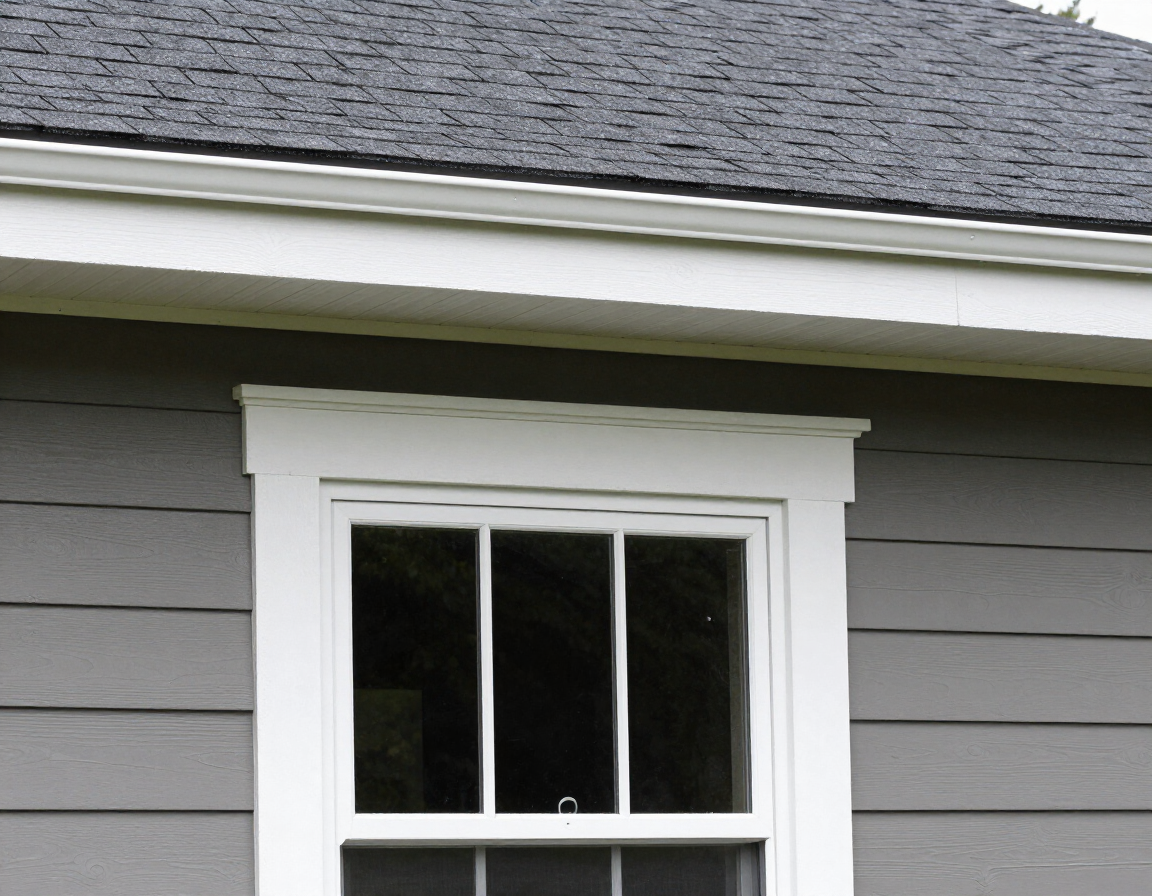
Siding Materials for Your Replacement Project
The material you choose for your replacement project affects appearance, long-term maintenance, installation requirements, and how the siding performs in Bellingham's wet Pacific Northwest climate. Here's a brief overview of the three most common options; each has its own character, and the right choice depends on the home, your priorities, and your maintenance preferences.
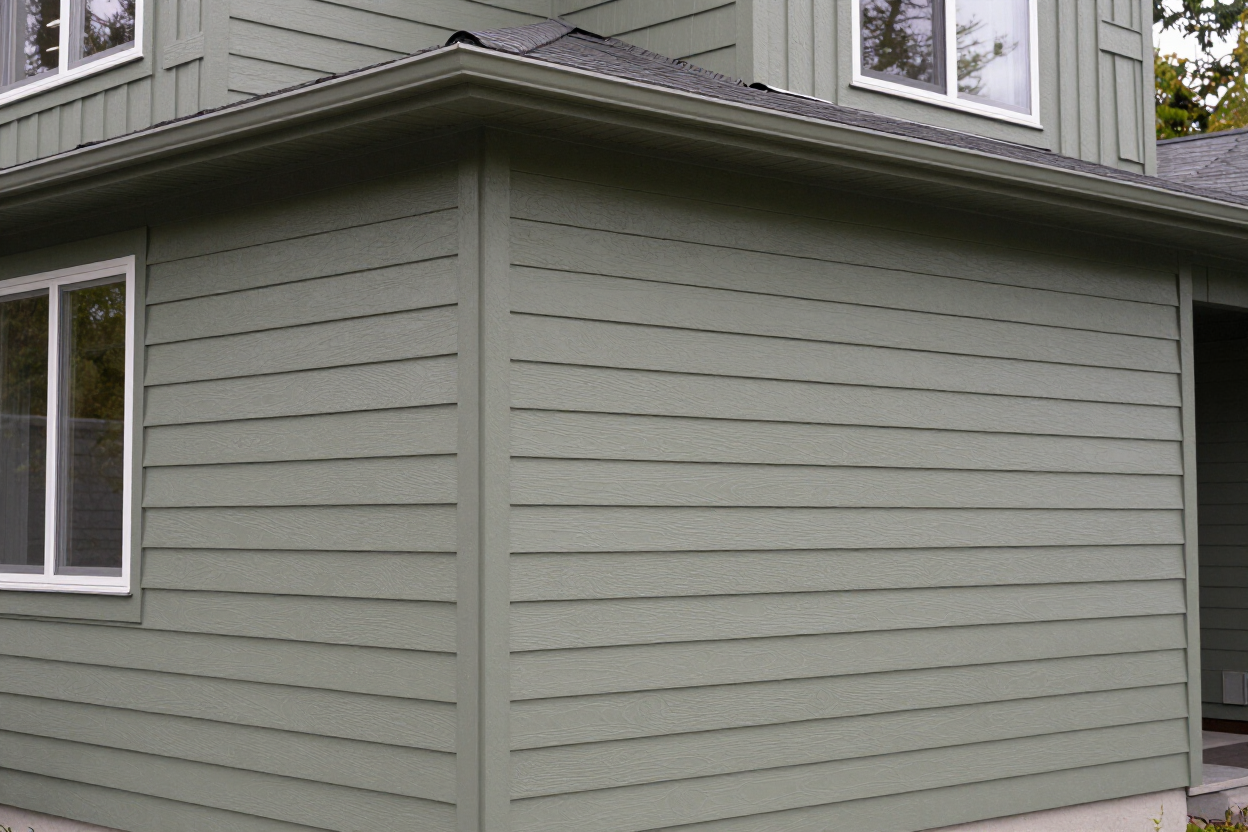
Fiber Cement
Durable and Versatile
Fiber cement is a composite material available in multiple profiles and textures. It holds paint well, handles moisture exposure reliably, and is a widely used option for Pacific Northwest homes. It does require periodic repainting and is heavier than vinyl, which affects installation.
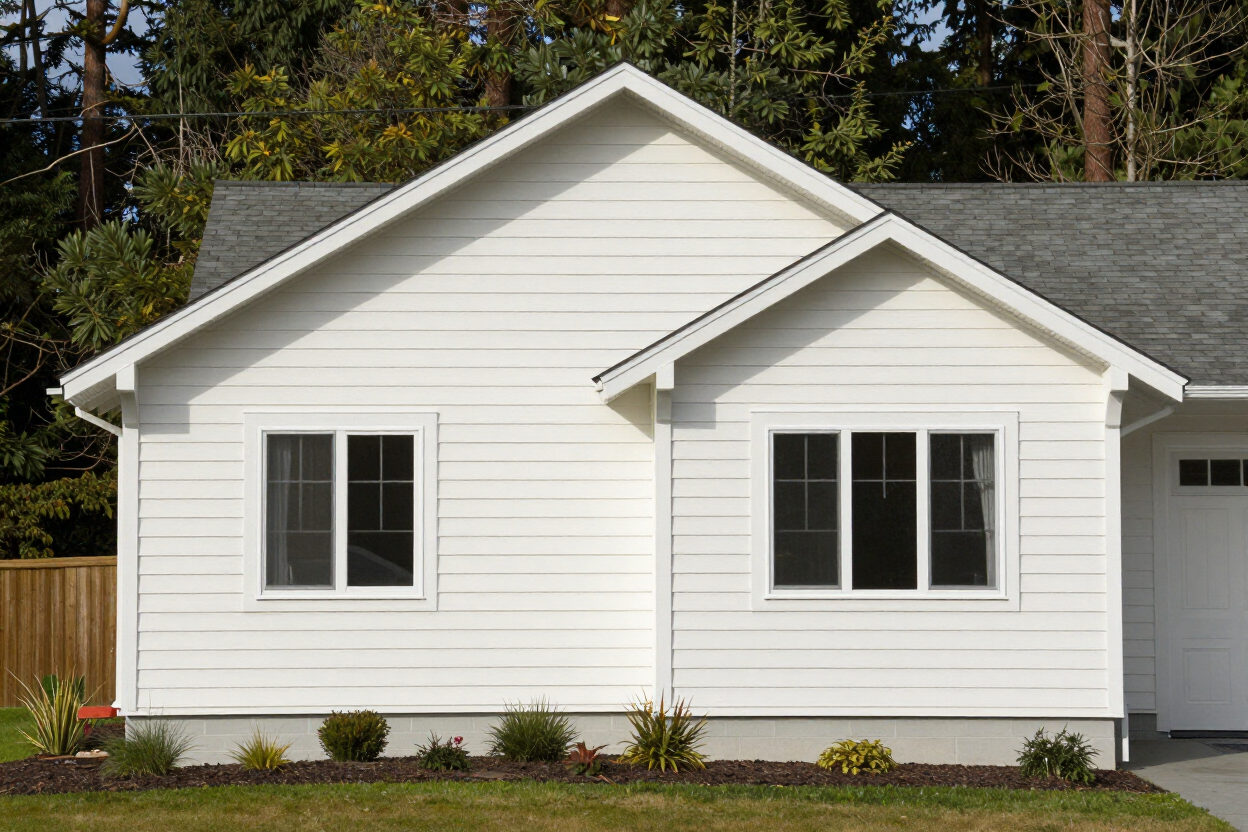
Vinyl
Low Routine Maintenance
Vinyl siding is available in a wide range of colors and profiles and doesn't require painting. It's a practical option for many residential projects, though product quality varies, and it can be susceptible to impact damage and color fading over time. Proper installation affects how it performs in temperature changes.
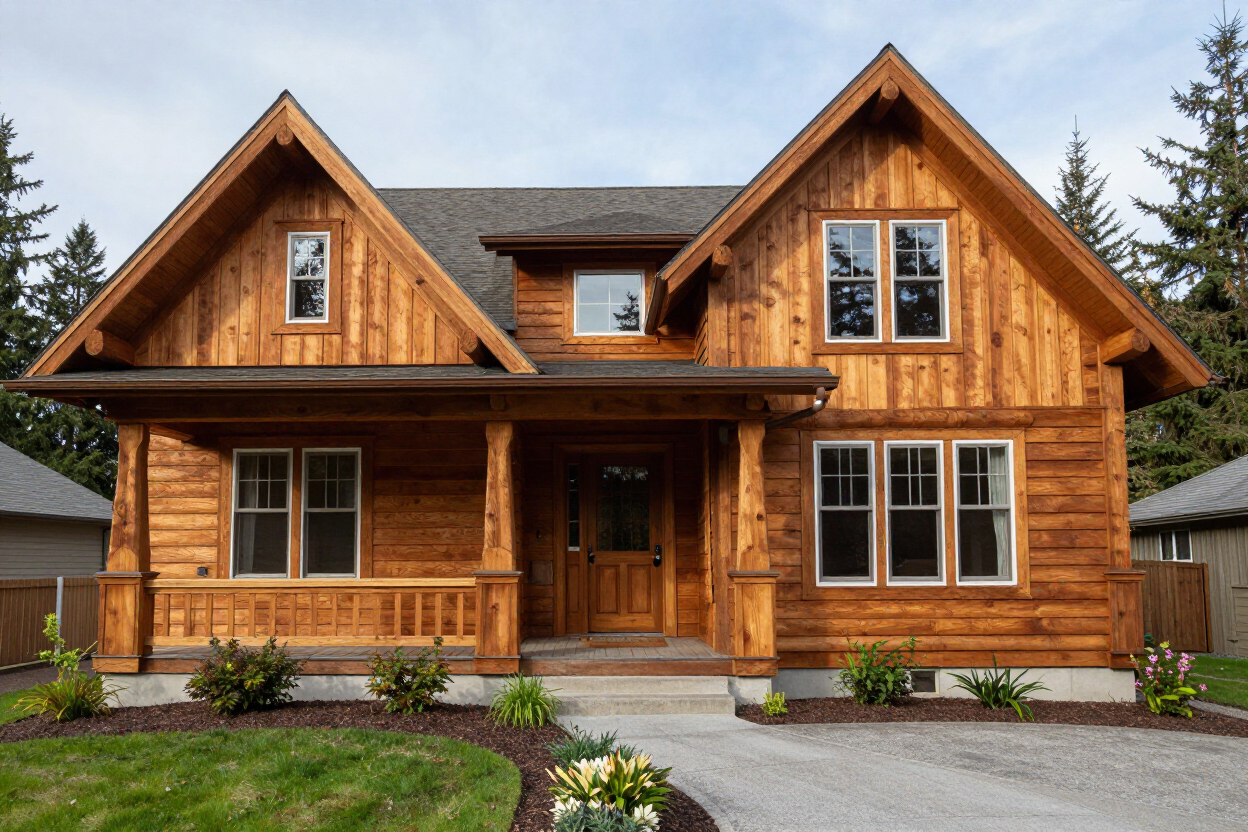
Cedar & Wood
Natural Character and Warmth
Cedar and wood siding have a natural appearance that suits Northwest residential architecture well. Wood siding requires more maintenance than fiber cement or vinyl particularly in wet climates including regular staining or painting and periodic inspection for moisture damage and rot.
Northwest Weather and Siding Replacement
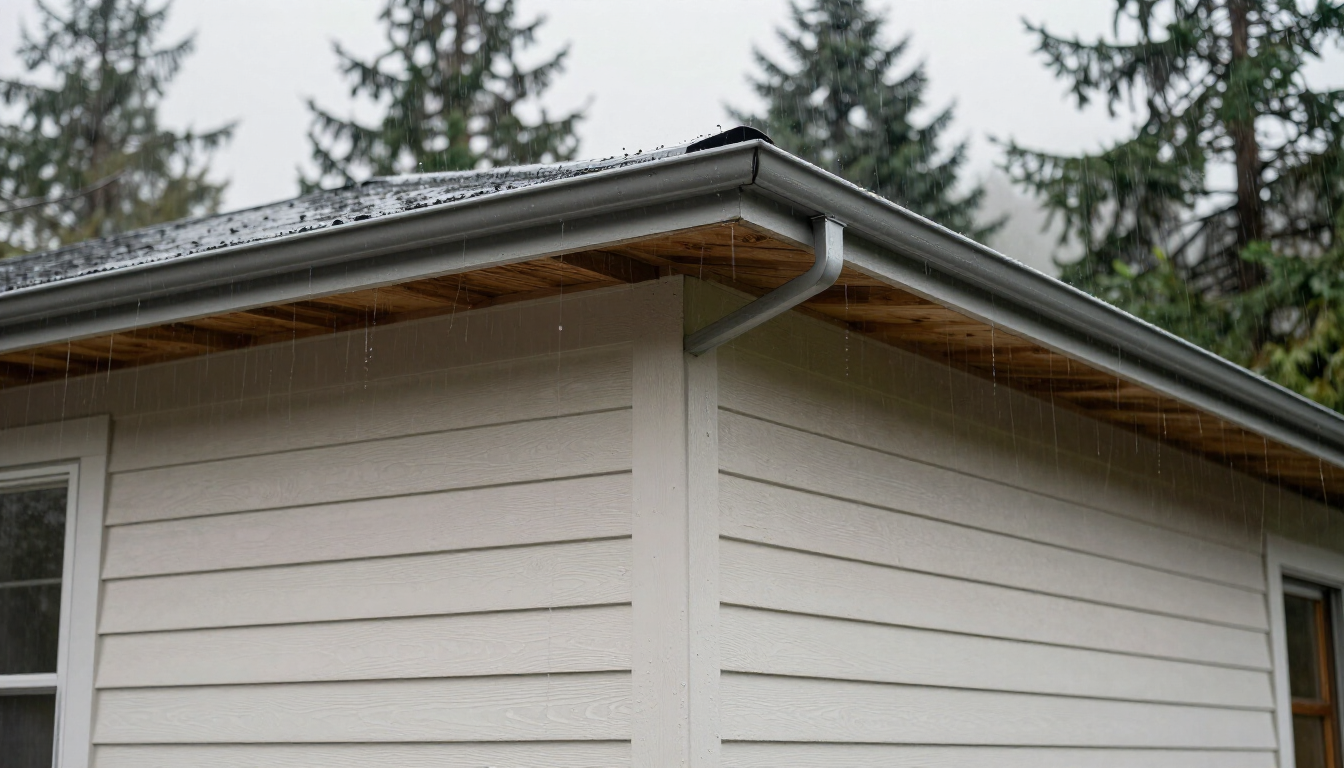
Bellingham's climate persistent seasonal rain, damp winters, and limited drying windows puts more demand on exterior siding than in many other regions. When replacing siding, the wall system as a whole matters as much as the cladding material itself.
Moisture Barriers and Drainage
A properly installed water-resistive barrier behind the siding is one of the most important components of an exterior wall in a wet climate. During a replacement project, the barrier can be inspected and replaced or upgraded as needed. A drainage plane behind the siding also helps moisture that does penetrate the cladding to exit the wall rather than accumulating against the sheathing.
Flashing at Critical Locations
Properly lapped and sealed flashing at windows, doors, rooflines, decks, and utility penetrations is essential in a high-rainfall environment. These are the locations where water most commonly finds its way into the wall assembly, and a replacement project is an opportunity to ensure every detail is correctly addressed.
Ventilation and Drying
Wall systems that allow moisture vapor to dry out either toward the interior or exterior perform better over time than systems that trap moisture. Material selection, insulation type, and vapor management are worth discussing as part of any full exterior replacement in the Pacific Northwest.
New siding alone does not waterproof a house. The complete wall assembly barrier, flashing, drainage, and correctly installed cladding all contribute to how well the exterior performs over time. These are questions worth raising when discussing a replacement project with a siding professional.
What Influences the Cost of Siding Replacement?
Siding replacement costs vary considerably from one project to the next. Rather than providing figures that may not reflect your specific situation, here are the factors that typically have the most influence on what a replacement project costs.
- Home size and number of stories: More square footage of siding and additional height increase both material quantities and labor time.
- Material selection: Fiber cement, vinyl, and cedar vary in material cost, weight, and installation complexity, all of which affect the overall project budget.
- Removal and disposal: Removing existing siding and disposing of it adds time and cost compared to an installation-over scenario.
- Condition of the wall assembly: If sheathing, framing, or insulation needs repair after removal, that work adds to the project scope.
- Trim, soffit, and fascia scope: Replacing or upgrading trim, soffits, and fascia alongside the siding adds materials and labor.
- Flashing requirements: Complex rooflines, multiple windows and doors, or deteriorated existing flashing may require more extensive flashing work.
- Site access and complexity: Multi-story homes, steep grades, or difficult site access may require additional staging or equipment.
- Project location: Material availability, travel, and local conditions may affect pricing depending on where the property is located within Whatcom County.
Getting a clear estimate requires a professional to evaluate the specific property, its size, current condition, wall assembly, and the selected material and scope. If you're ready to start that process, the estimate request form below is the first step.
Factors That Affect Project Scheduling
How long a siding replacement project takes and when it can begin depends on a number of practical variables. Setting realistic expectations from the start makes the process easier for everyone.
- Material lead times: Some siding products and colors are stocked locally, while others require ordering. Lead times vary by product, supplier, and season.
- Provider availability: Independent siding professionals have their own schedules and project backlogs. Availability depends on when you inquire and what their current workload looks like.
- Project complexity: Larger homes, extensive wall repairs, complex trim details, or difficult site access take more time than straightforward replacements.
- Weather windows: Siding installation in the Pacific Northwest is weather-dependent. Sustained rain can delay exterior work, particularly if materials need to be kept dry during installation.
- Scope changes discovered during removal: Hidden damage found after old siding is removed can extend the project timeline.
- Permit requirements: Some projects require a building permit, which adds a review period before work can begin. Requirements vary by jurisdiction.
Scheduling is ultimately determined between you and the siding professional handling the project. Submitting an estimate request early, especially if you have a preferred timeline, gives you more flexibility in the planning process.
How to Request a Siding Replacement Estimate
Submitting your project information is straightforward. Here's what to expect after you fill out the estimate request form.
01
Tell Us About Your Project
Complete the estimate request form with details about your property, the current condition of your siding, the materials you're interested in, and your approximate timeline and budget. The more detail you include, the more useful the follow-up can be.
02
Your Request Is Reviewed
Once submitted, the project details you provided are reviewed including the type of work, location, material interests, and timeline. This helps match your request with a professional who works in your area.
03
Connect With a Siding Professional
When a qualified independent professional serving your location is available, your information may be shared with them for follow-up. Submitting a request does not guarantee that a provider will be available or that the project will be accepted.
04
Discuss Options and Receive an Estimate
If a professional reaches out, you can discuss your project, ask questions about materials and scope, and receive pricing information. You're under no obligation to proceed.
Submitting a request does not guarantee provider availability, an estimate, or project acceptance.
Service Areas for Siding Replacement Requests
Estimate requests for siding replacement projects may be submitted from Bellingham and the surrounding Whatcom County communities listed below. Bellingham is the primary focus area, but homeowners in nearby cities and unincorporated communities are welcome to submit their project details.
- Bellingham (primary service area)
- Ferndale
- Lynden
- Blaine
- Birch Bay
- Sudden Valley
- Everson
- Nearby Whatcom County communities
Provider availability and project acceptance may vary depending on the specific location and the independent professional serving that area. If you're unsure whether your property is within the coverage area, include your address or ZIP code in the estimate request form and that detail will be taken into account.
Siding Replacement Frequently Asked Questions
These questions come up often when homeowners are considering siding replacement. If your question isn't answered here, you can include it in the description field of your estimate request.
Does old siding always need to be removed before new siding is installed?
Not always. Whether existing siding is removed depends on its current condition, the wall's structural situation, the selected new material, and local building requirements. Some installations can go over existing cladding, but removal is often recommended when the wall assembly needs inspection or repair, or when the added thickness would create problems at windows, doors, or trim.What might be found behind old siding once it's removed?
After old siding comes off, the underlying wall sheathing, house wrap or building paper, and framing may show varying degrees of moisture damage, rot, or deterioration depending on the age of the home and how well the exterior assembly has performed over time. Minor issues are common in older homes; more significant wall damage is less predictable and can affect project scope and cost.How do I choose between fiber cement, vinyl, and cedar for my replacement?
Each material has different characteristics in terms of appearance, maintenance requirements, installation needs, cost, and how it handles Pacific Northwest moisture conditions. Fiber cement is durable and paint-retaining but heavier and requires periodic repainting. Vinyl requires less routine maintenance but varies in quality and can be affected by impact and temperature changes. Cedar offers natural warmth but requires consistent maintenance in wet climates. The best option depends on your home, priorities, and preferences — a siding professional can help you evaluate the tradeoffs for your specific project.How long does a full siding replacement project typically take?
Timeline varies based on home size, material lead times, project complexity, weather conditions, and the availability of the contractor handling the work. A straightforward replacement on a mid-size single-story home may take several days to a week or more; larger or more complex projects take longer. Scheduling is determined between you and the professional you work with.What factors affect the cost of siding replacement?
The main cost drivers are the square footage of siding being replaced, the material selected, the condition of the underlying wall (which affects preparation scope), the extent of trim, soffit, and fascia work included, site access, and the project's location. Costs are specific to each property and project — a professional evaluation is the only reliable way to get an accurate figure.Can new siding be matched to an existing section of my home?
Matching depends on whether the existing siding profile and color are still available from current manufacturers. Many standard profiles can be matched closely, but exact matches are not always possible — particularly for older, discontinued products. If matching is important, it's worth discussing material availability early in the planning process.Is a permit required for siding replacement in Bellingham?
Permit requirements vary by jurisdiction and project scope. Some replacement projects require a building permit; others may not. The siding professional handling your project or the City of Bellingham's building department can clarify what's required for your specific situation. Do not rely on this website for building-code guidance — requirements change and vary by location.What should I include in my estimate request for a siding replacement project?
The more detail you can provide, the more useful your estimate request will be. Include the property address or ZIP code, the type and approximate condition of your current siding, the material you're interested in, which elevations or how much of the home you're planning to replace, your approximate timeline, and any specific concerns about moisture, trim, or wall conditions. Photos of current damage or the overall exterior are also helpful.
Related Services and Siding Materials
Depending on what you find when you evaluate your exterior, these related pages may also be useful.
Service
Siding Repair
If damage is limited to a specific area, repair may be more appropriate than full replacement.
Service
Siding Installation
Planning new siding for a new build, addition, or complete exterior renovation?
Material
Fiber Cement Siding
Durable, versatile, and widely used in the Pacific Northwest.
Material
Cedar & Wood Siding
Natural character and warmth suited to Northwest residential architecture.
Thank you — your request has been submitted. We'll review your project details and follow up if an independent siding professional serving your area is available.
Ready to Request a Siding Replacement Estimate?
Describe your property and current siding situation below. Include as much detail as you can: project type, condition of existing siding, materials you're interested in, and your preferred timeline. Your information may be shared with an independent siding professional who serves your area.